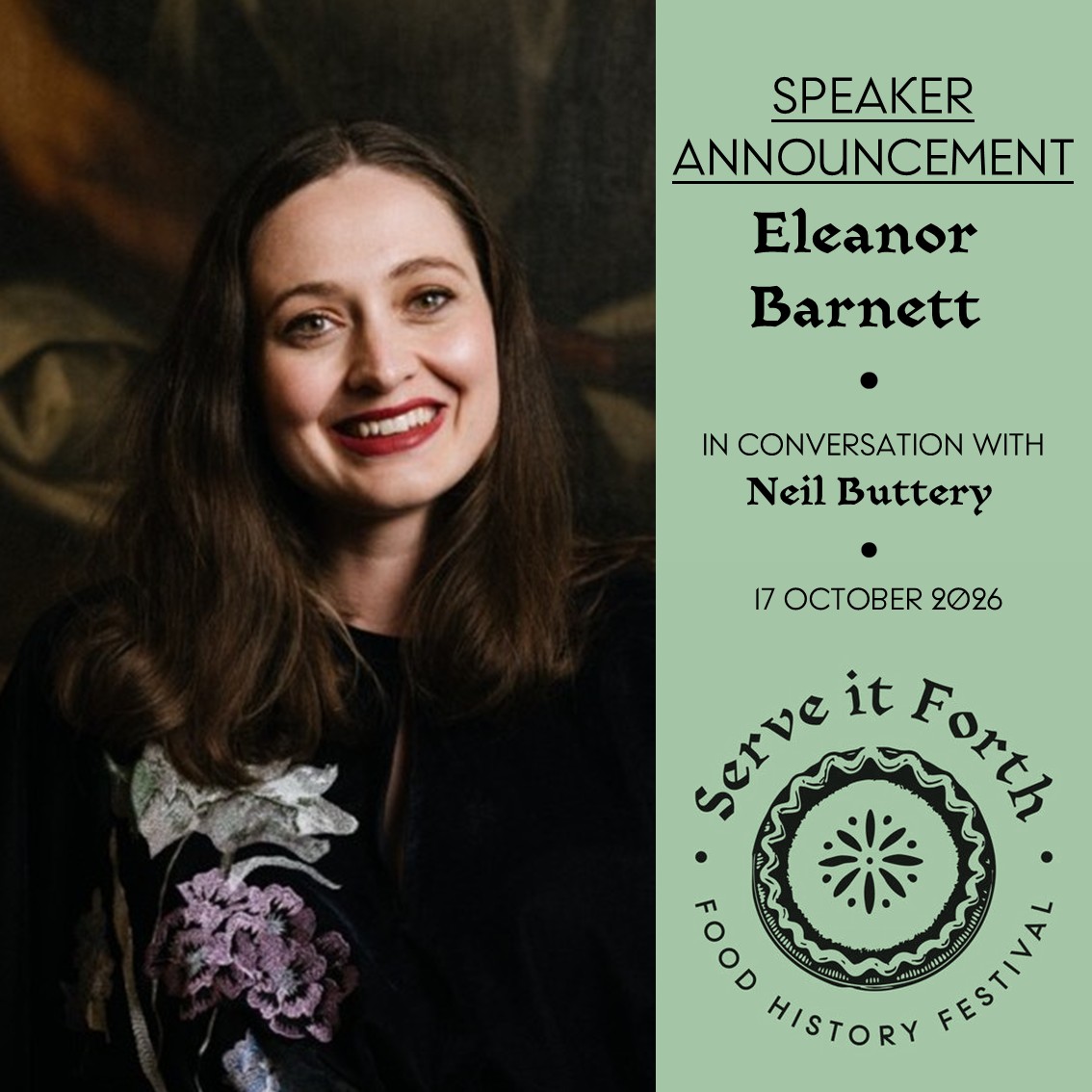
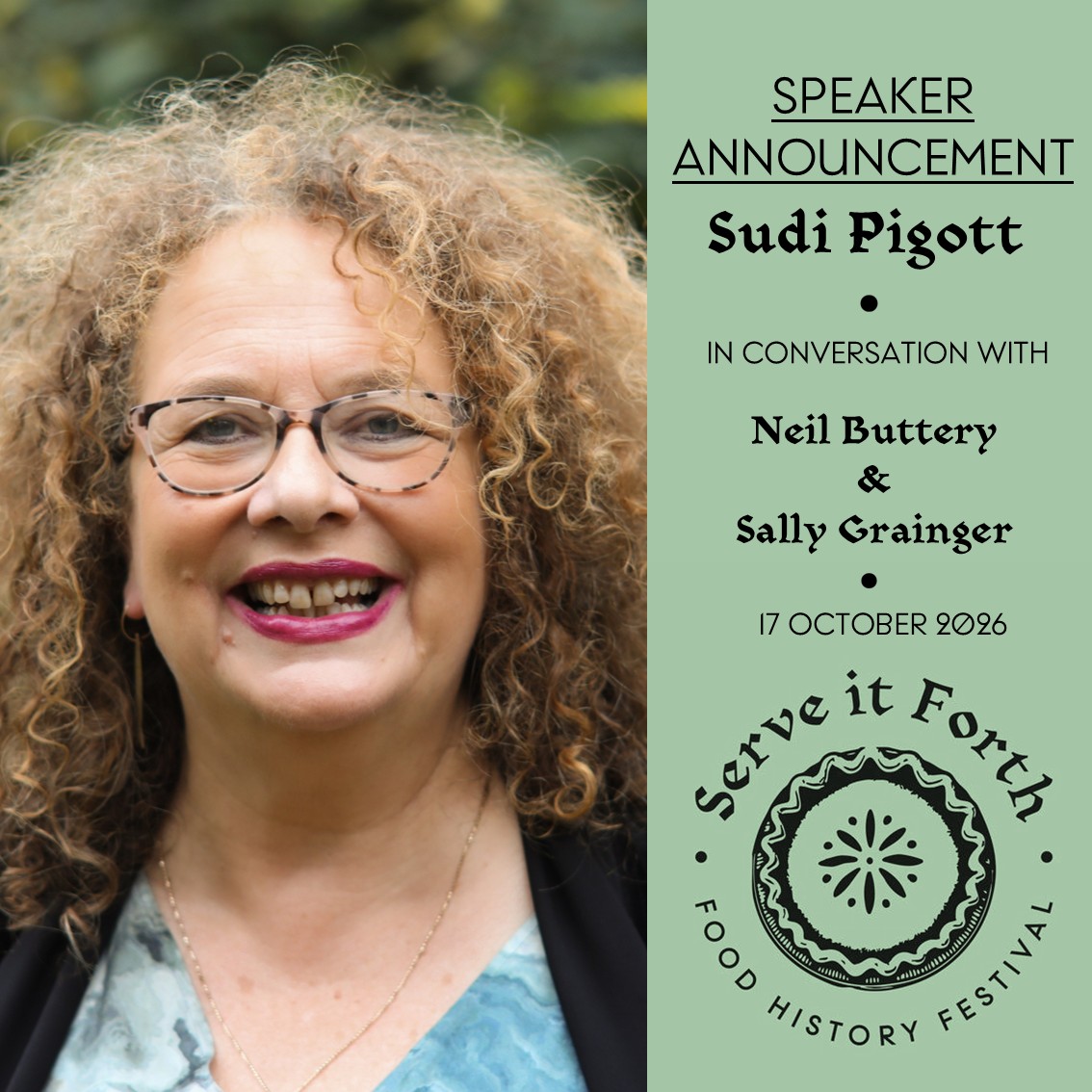
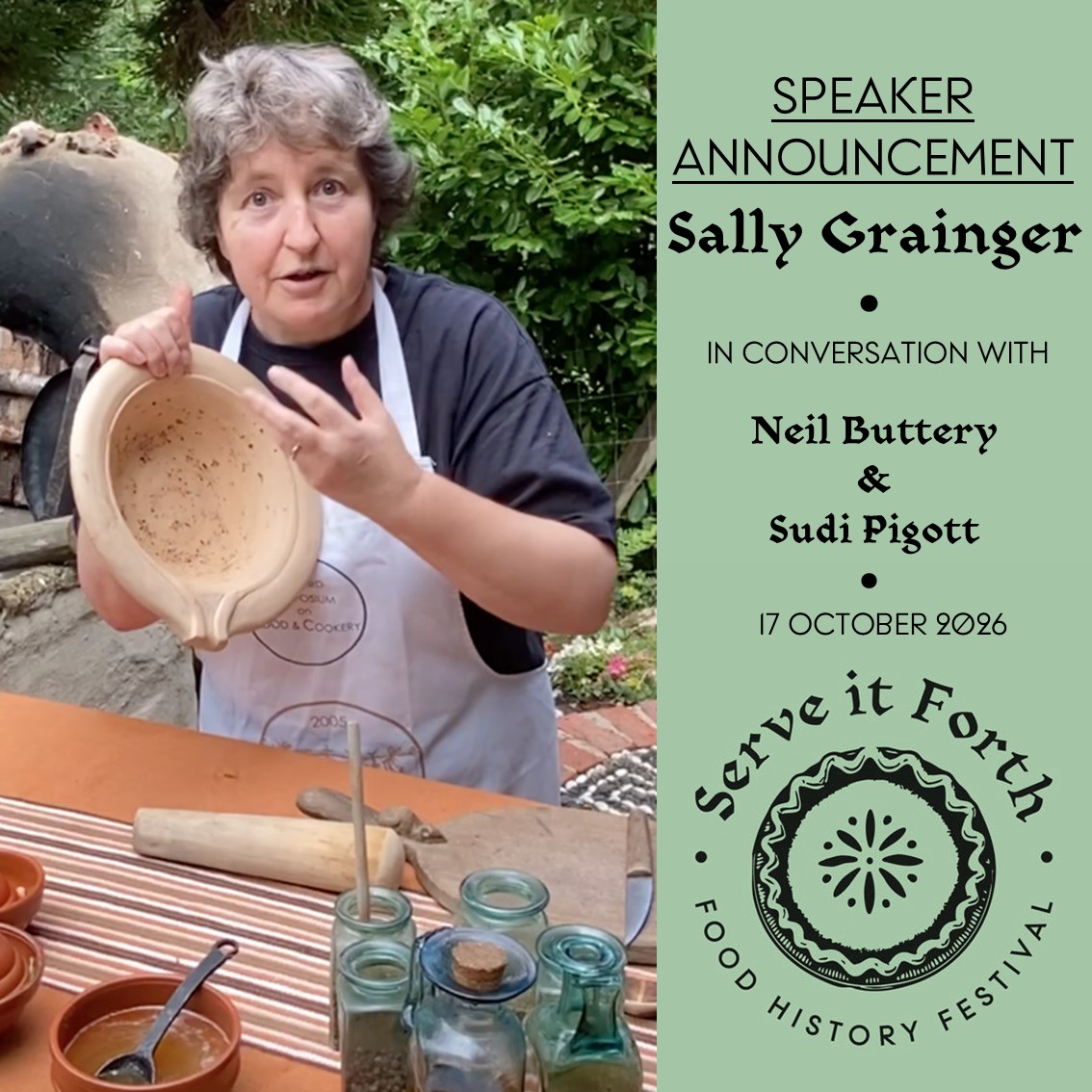
Hello everyone. Serve it Forth Food History Festival 2026 is almost upon us, and I’m getting pretty excited about it. If you haven’t got your ticket for Saturday 17th October (10.30am to 4.30pm), don’t forget!
I am leading two sessions this year: the first of the day in discussion with Eleanor Barnett about her journey in food history via art history, and I’m ending the day in discussion with Sally Grainger and Sudi Piggot. The topic: The anchovy in the UK.
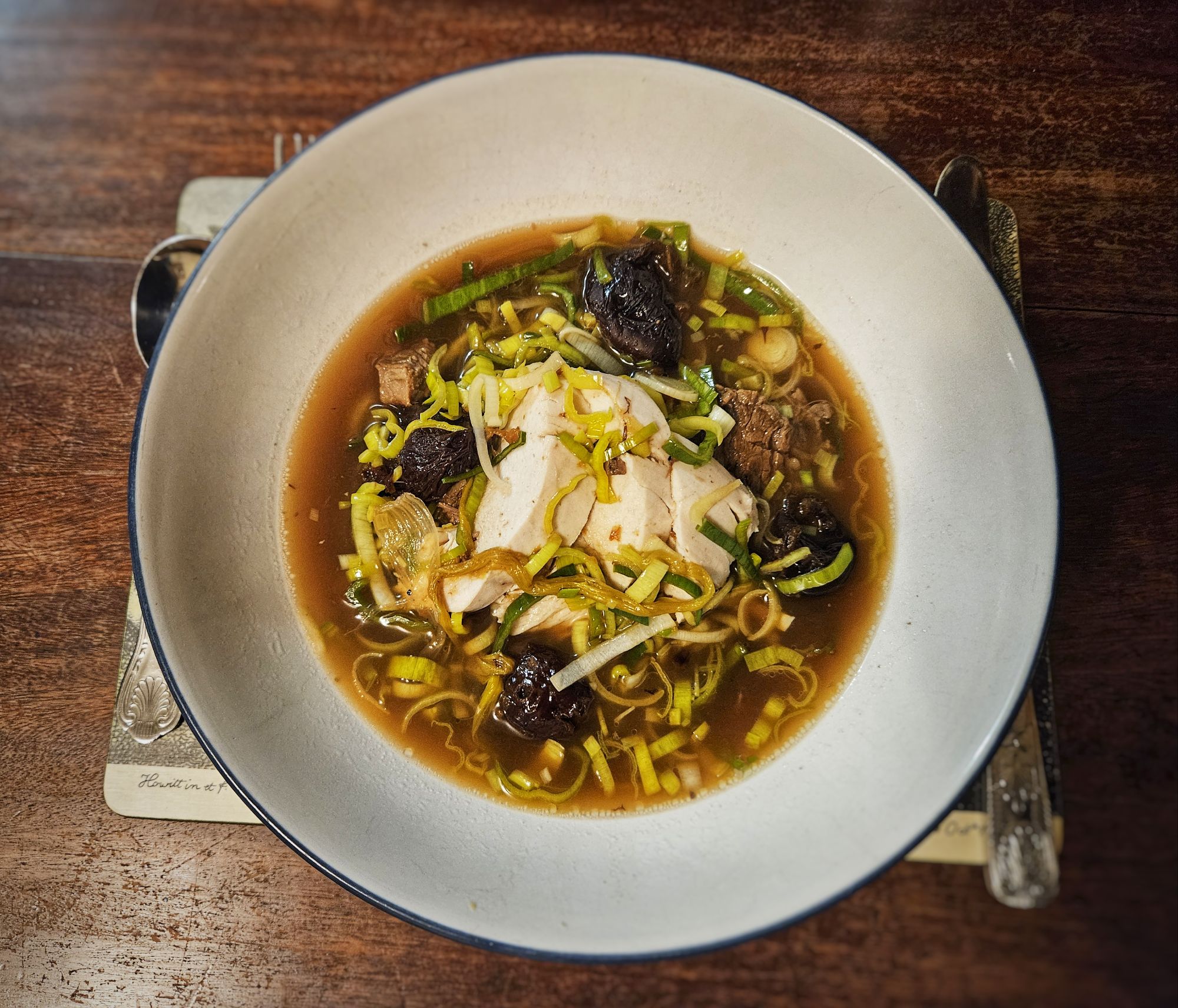
Conjure up an image of a bowl of cock-a-leekie soup; what pops into your mind? Are you thinking of an umami-rich broth of chicken, leek and beef, enriched with unctuous prunes, or a watery can of Baxter’s with soggy leeks and a suggestion of chicken? If I were asked this as a child, it would be the latter, but today I am glad to say that it is the former!
Cock-a-leekie is one of the best of the world’s chicken soups. Actually, it might be the best – made properly. It’s a cornerstone not only of Scottish cuisine but also of the rest of Britain; recipes for cockie-leekie crop up in both English and Welsh cookery books. The traditional recipe used a cockerel or boiling fowl; a tough bird with lots of flavour, lots of leeks and usually some beef or beef stock. Today, I use a well-flavoured oven-ready free-range chicken.
Recipes vary to some degree, but many include prunes – I think they are essential, not just for their sweetness but also the viscosity they give to the broth itself. Meg Dods used shin of beef and uses lots of trimmed leeks: ‘The soup must be very thick of leeks…boiled down into the soup till it becomes a green lubricous compound.’ She considered the practice of adding prunes an ‘obsolete’ one.[1] In The Scot’s Kitchen (1968), F. Marian McNeill uses beef or veal stock in place of meat. Regarding prunes, she approves: ‘I am all for the addition of prunes, to be served one in each plate.’[2]
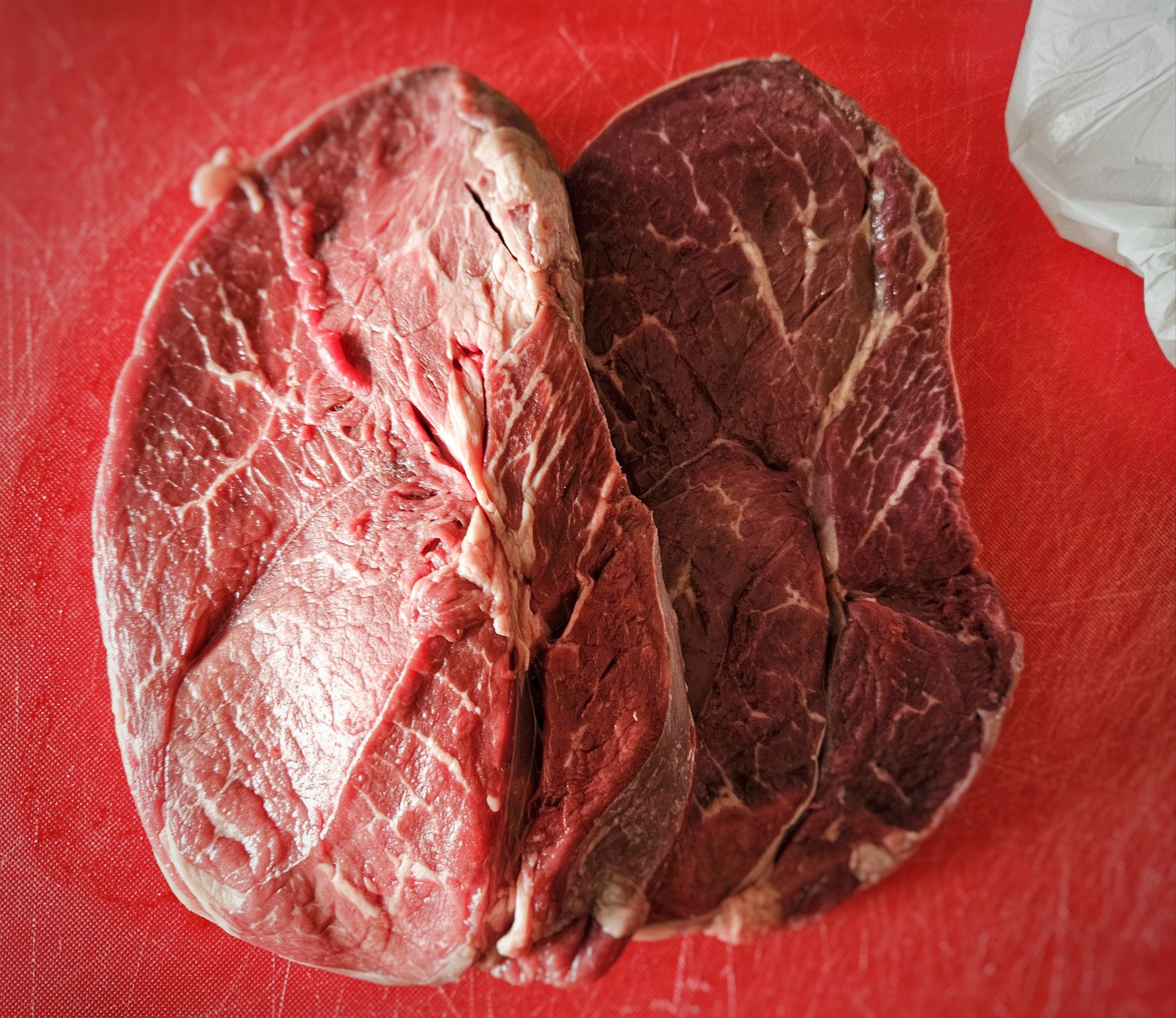
Beef is an essential ingredient in cock-a-leekie
In England, things go a little awry. For example, in Alexis Soyer’s A Shilling Cookery for the People (1855), there is a recipe for ‘New Cock-a-Leekie’. What makes it ‘New’? Well, it contains no chicken. The reason given in the book, written in the style of two friends corresponding with each other, was that ‘I found I had all that was required, barring the bird’. It ‘deceived not only my husband, but my friend from the other side of the Tweed.’[3] The cock-a-leekie that appears in the 1883 edition of Cassell’s dictionary of cookery is very delicate: chicken and leeks poached in white (veal) stock with rice,[4] which seems more like invalid food rather than a hearty meal.
On the subject of this wonderful soup, Dorothy Hartley wrote that the Scots have kept this fine old soup unchanged through the centuries. (I don’t like to think what would happen to any foreigner who tried to tamper with Cockaleekie.)’[5] She had obviously never read Soyer or Cassell!
To find out more about Alexis Soyer and his writings, check out this episode of the podcast with Dr Lindsay Middleton on this very subject.
I have adapted my recipe from Jane Grigson’s English Food (1993). I have cooked it many times, both at home and professionally. It is very simple but requires good quality ingredients (including plenty of prunes). There are disagreements regarding how one should serve cock-a-leekie. Again, I go with Jane’s advice:
The correct way of serving cockie-leekie is to put a slice of beef, a bit of chicken, some prunes, leeks and soup into each bowl.[6]
If you can, support the podcast and blogs by becoming a £3 monthly subscriber, and unlock lots of premium content, including bonus blog posts and recipes, access to the easter eggs and the secret podcast, or treat me to a one-off virtual pint or coffee: click here.
Recipe
This recipe makes a huge amount of soup. Any leftover soup is even more delicious heated up the next day or the day after that, and it freezes very well.
The amount of salt added may appear startling, but remember that we are adding plain water, not stock, so it really does need it. Trust me.
Served with a couple of slices of well-buttered wholemeal bread, this is a complete meal.
Ingredients
1 kg braising steak
3 litres water
4 tsp salt
1 medium-sized chicken
6 good-sized leeks, trimmed
500 g stoned prunes
Freshly ground black pepper
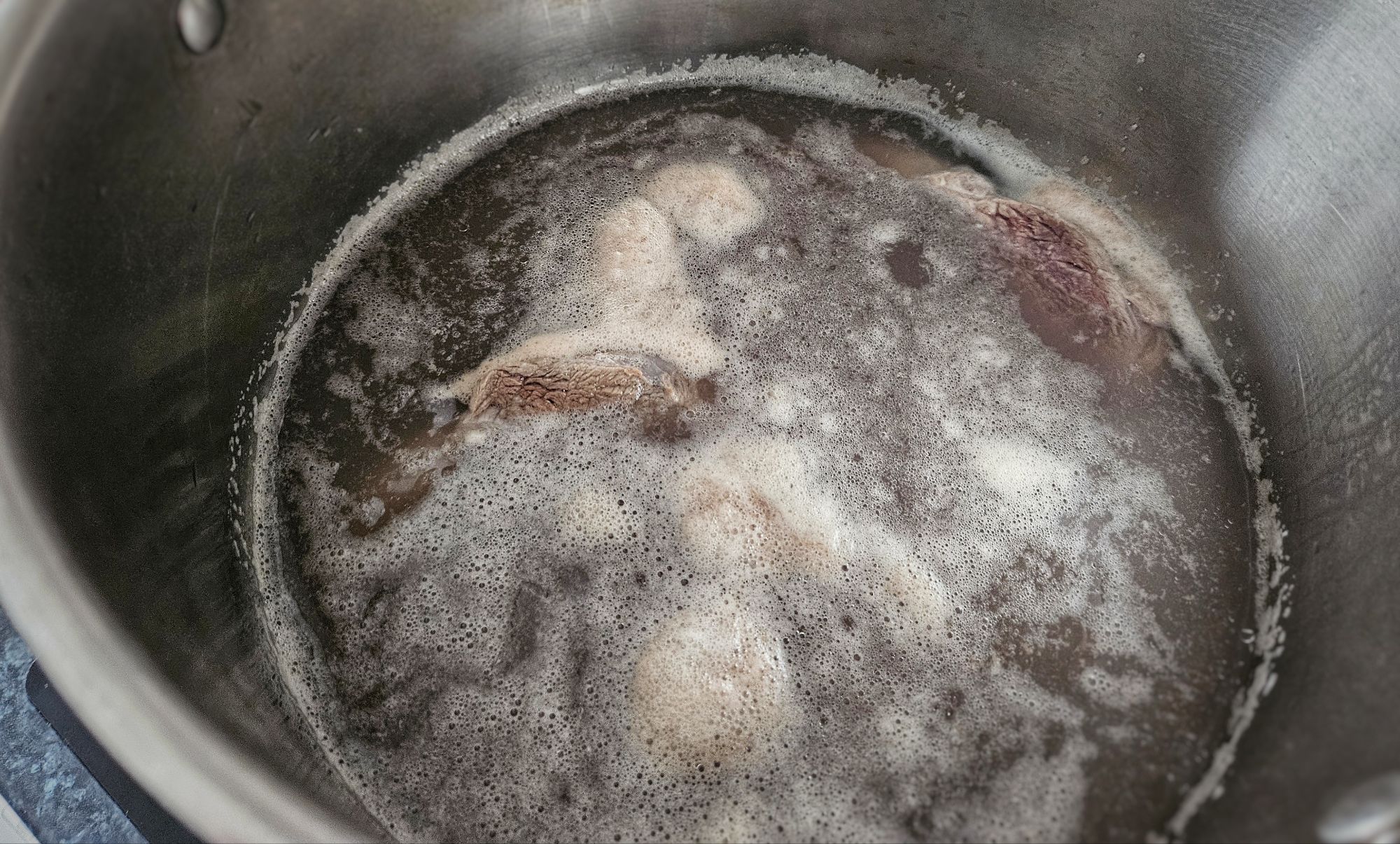
Place the braising steak in the bottom of a stockpot, pour in the water and add two teaspoons of the salt. Cover, set the heat to medium and allow it to come to a bare simmer. The slower you do this the better. As it reaches simmering point, some grey and unappetising scum might float to the top. It is normal for this to happen; simply skim it off with a spoon or drainer. Turn the heat down so that the meat simmers gently for one hour.
There is always a little scum to skim
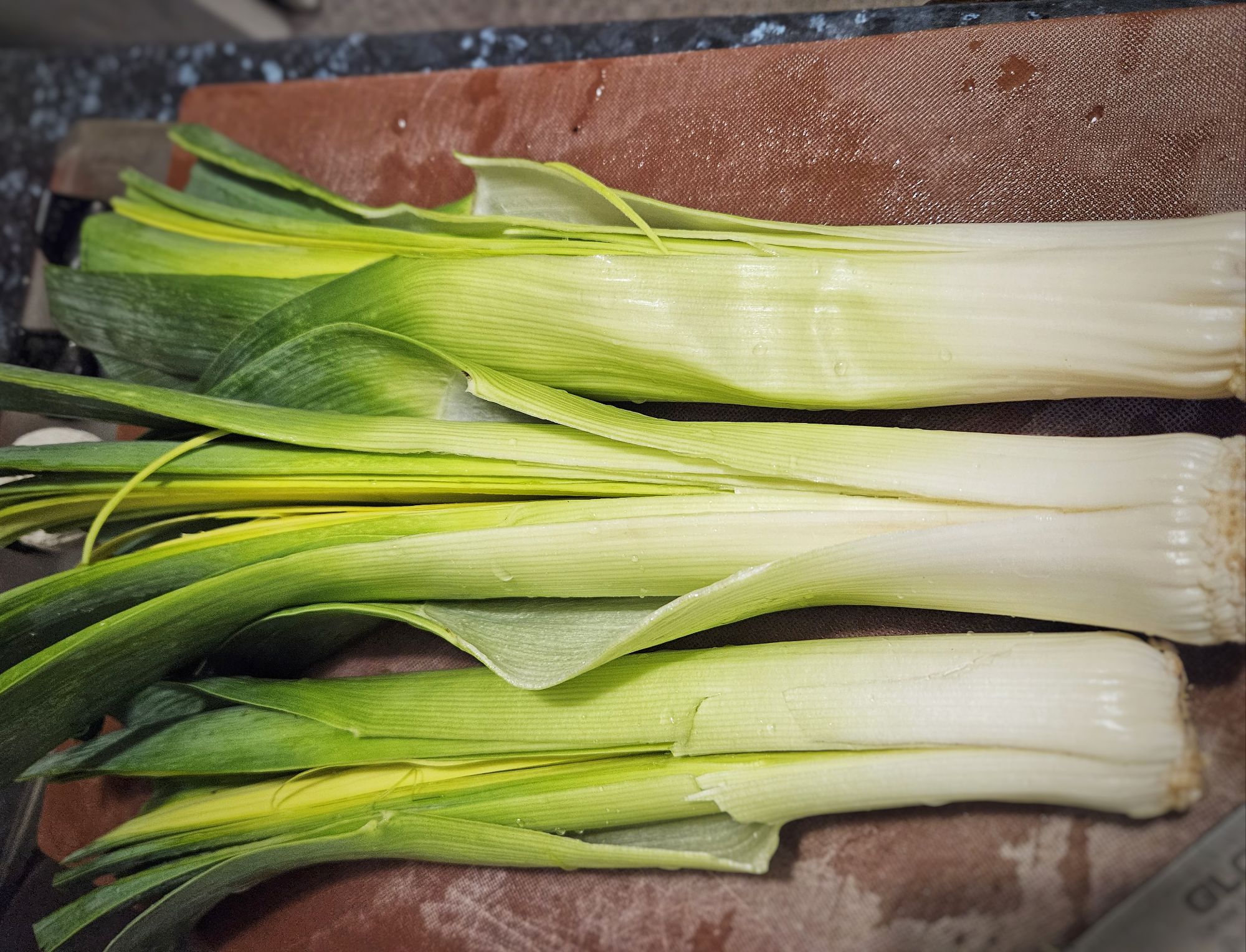
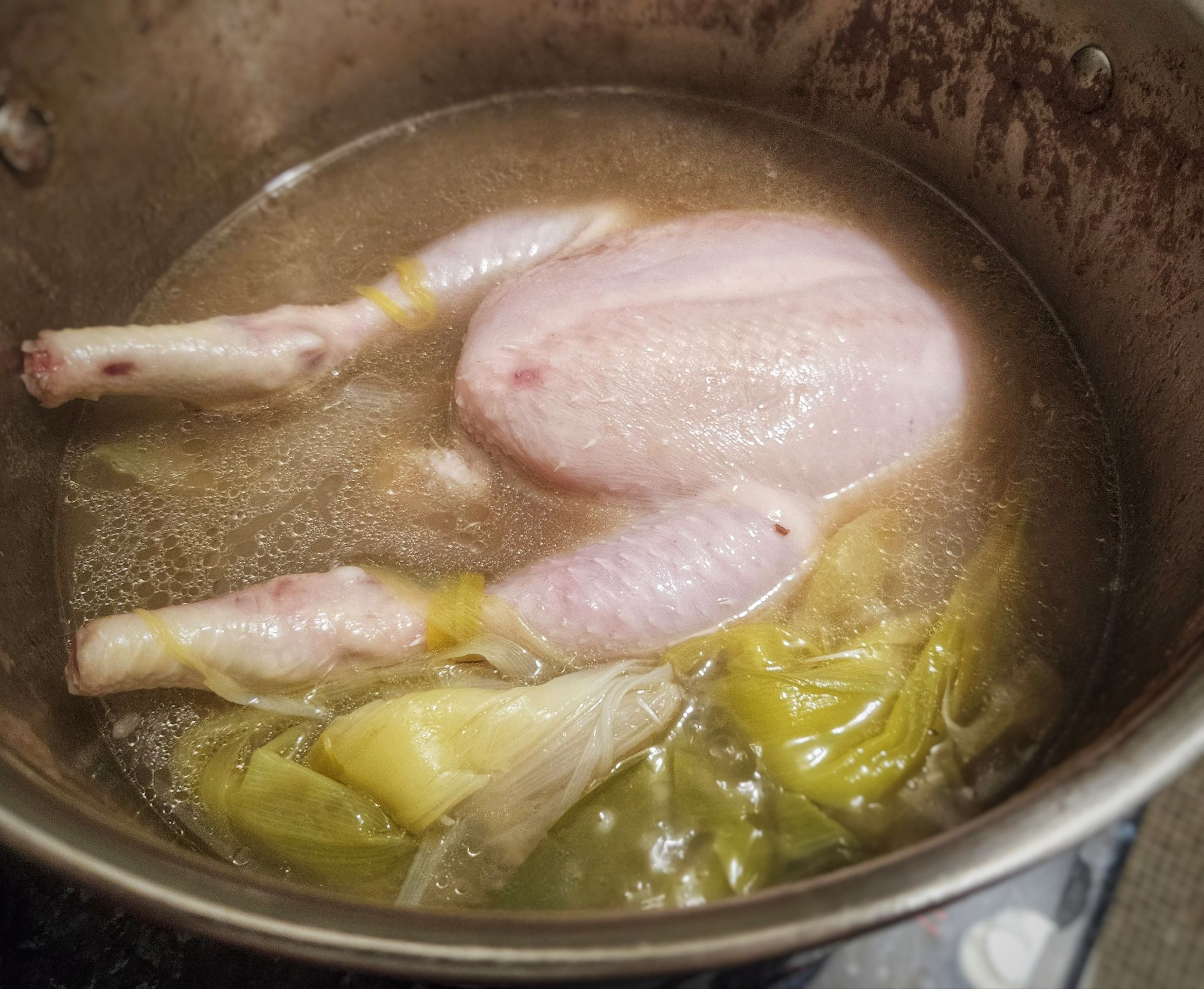
Meanwhile, take the chicken out of the fridge (if you haven’t done already). Prepare the leeks by trimming away any tatty pieces of green, then split them lengthways around halfway down and rinse them under the cold tap, then leave them to drain upturned in the sink. Once they have drained for around 20 minutes take half of the leeks and tie them together with a piece of string. When the hour is up, add them, the chicken and the prunes, the rest of the salt and a good few turns of the pepper mill.
Left: the split leeks; right: the leeks and chicken adding depth to the broth
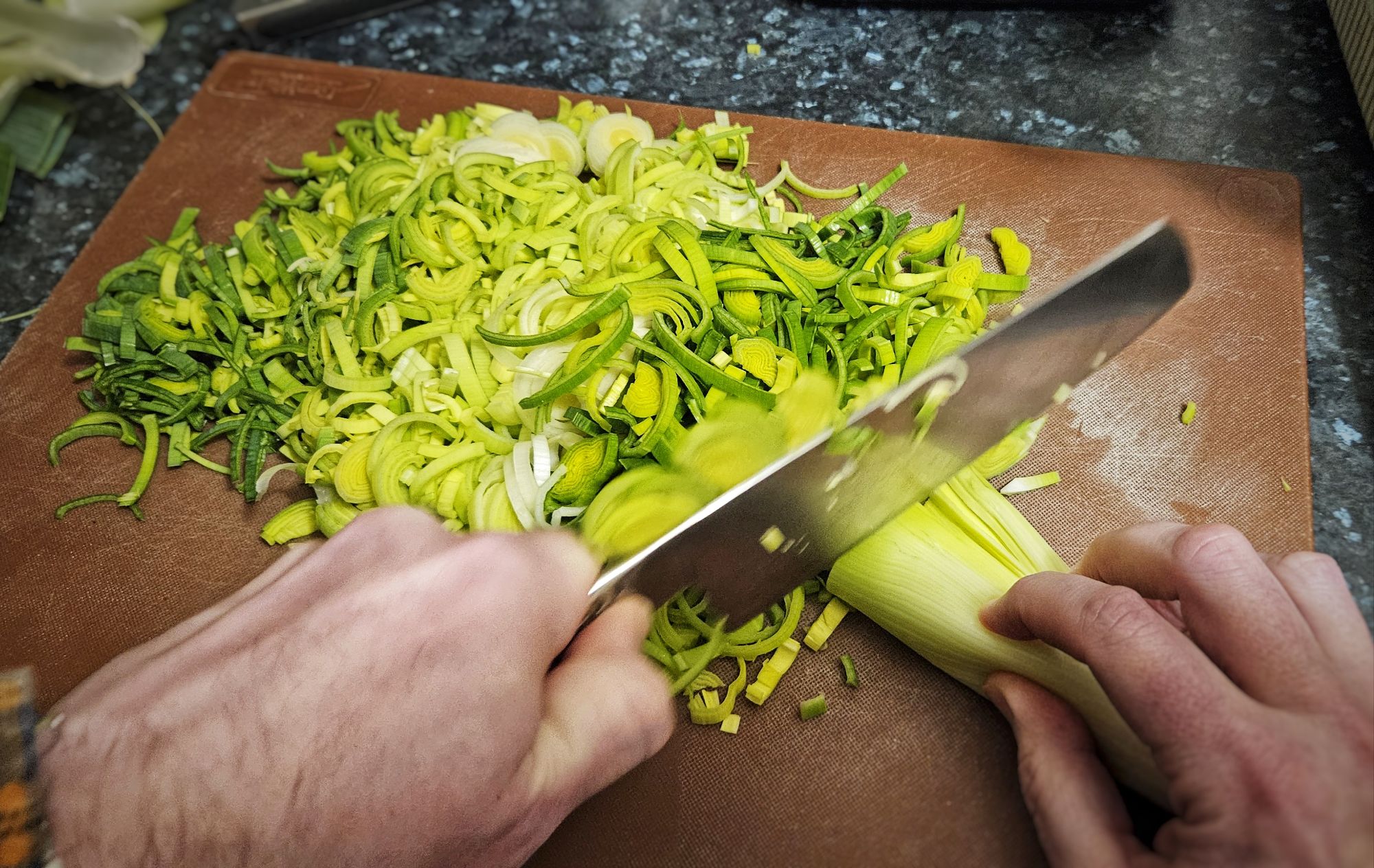
Cover, bring the water back to a simmer and cook gently for another hour. Meanwhile, slice the remaining leeks very thinly.
When the second hour is up, remove the leeks (all of their flavour will now be in the stock), taste and check the seasoning – you may need a little more salt. Add the thinly sliced leeks and simmer for 5 minutes only – you want them to remain a little crisp.
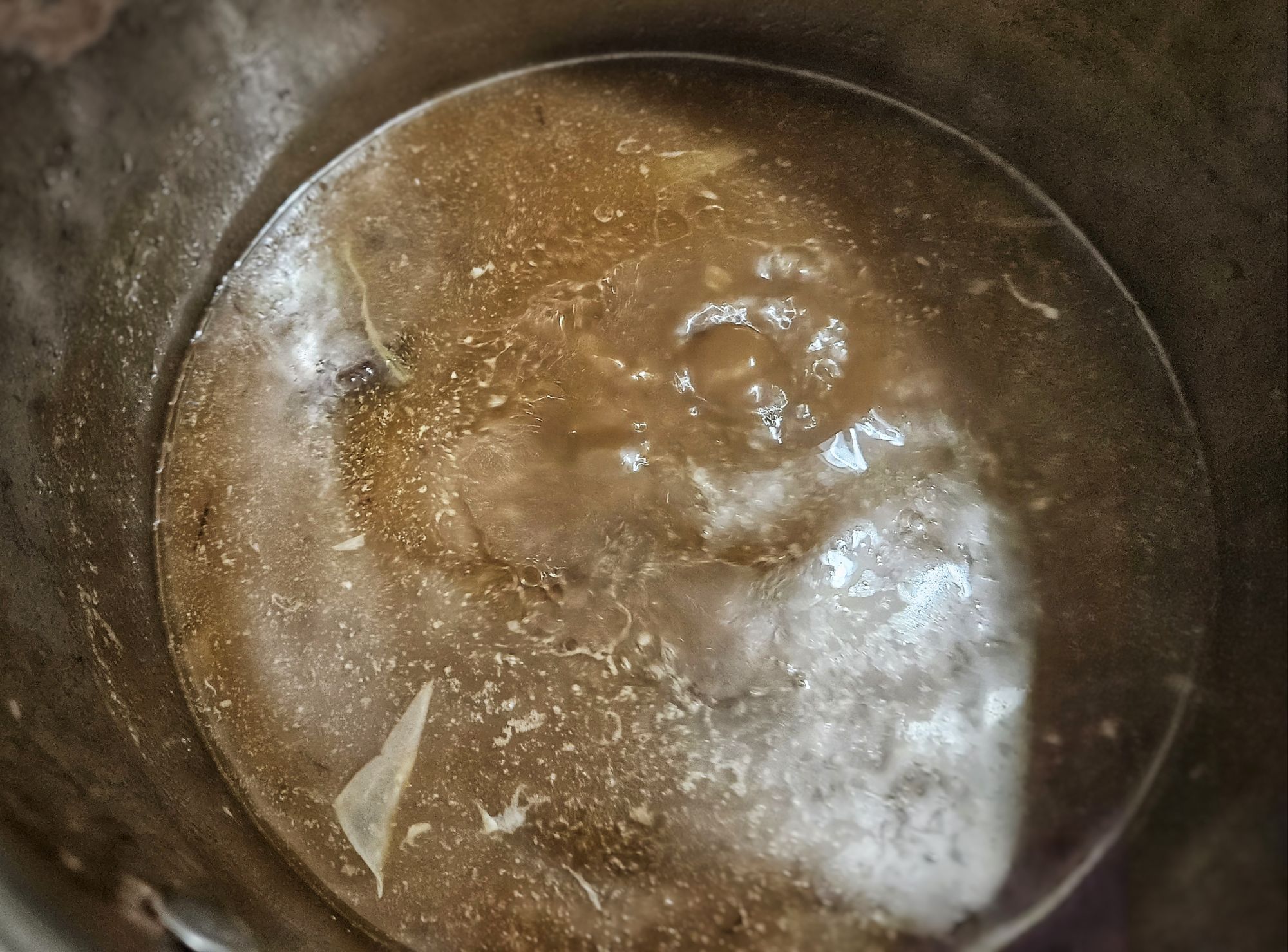
Left: thinly slicing the leeks; right: the delicious stock after cooking
Now serve the soup: gingerly fish out the chicken and carve it. It’s important to leave it for a good 15 minutes, covered, so it can cool a little bit before you attempt this. Inspect the chicken carcass for any other decent meaty bits. Then fish out the beef and cut that into good-sized pieces. You can return the prepared meat to the soup and have everyone help themselves, or arrange some pieces of carved meat at the bottom of several soup bowls and then ladle the soup over them.
Notes
[1] Dods, M. (1847) The Cook and Houswife’s Manual. 8th ed. Oliver & Boyd. Alan Davidson was of the opinion that the soup may have its origins in the Middle Ages as a soup of chicken, onions and raisins. Davidson, A. (1999) The Oxford Companion to Food. Oxford University Press.
[2] McNeill, F.M. (1968) The Scots Kitchen: Its Lore & Recipes. 2nd ed. Blackie & Son Limited.
[3] Soyer, A. (1855) A Shilling Cookery for the People: Embracing an Entirely New System of Plain Cookery and Domestic Economy. Geo. Routl. Geo. Routledge & Co.
Here’s just a very quick post to let you know that all of the guests and sessions have been announced for Serve it Forth Food History Festival 2026, which is taking place between 10.30 am and 4.30 pm (BST) on 17 October.
I’m leading two sessions this year, starting the day with a discussion about becoming a food historian with Eleanor Barnett and ending the day with a chat about the diminutive yet mighty anchovy in the UK with Sally Grainger and Sudi Pigott.
Read more of this content when you subscribe today and unlock lots of premium content, including the secret podcast, bonus blog posts (such as this one) and recipes, my Easter eggs and a monthly newsletter. Please click here for more information.
Welcome to this special bonus episode of The British Food History Podcast. I always make an extra episode for my monthly £3 subscribers. I wanted to make an episode where I talk with another food historian about a book. I asked Sam Bilton and she chose The Feasts of Autolycus: The Diary of a Greedy Woman by Elizabeth Robins Pennell (1899). An author I was not familiar with – and I really enjoyed reading the book and having this discussion.
We talk about Elizabeth Robins Pennell and how Sam discovered her, the expectations of women and greediness in the late Victorian period, food and morality, Camp coffee, stirring savouries, magnificent mushrooms, and kidneys – lots and lots of kidneys.
Subscribe to get access
Read more of this content when you subscribe today and unlock lots of premium content, including the secret podcast, bonus blog posts and recipes, my Easter eggs and a monthly newsletter. Please click here for more information.
It’s time for the now traditional end-of-season postbag episode of The British Food History Podcast, where I (attempt to) answer your questions, read out your comments and mull over your queries.
The podcast is available on all podcast apps, but you can stream it via this Spotify embed:
I’ll be disappearing for a few months, unless of course, you are a monthly subscriber, where there will be a bonus episode coming up for you to listen to via the secret podcast.
Season 10 of the podcast is sponsored by Netherton Foundry, makers of high-quality kitchen and outdoor cookware. Netherton Foundry ships to several countries outside of the UK, including the USA and Canada. Visit www.netherton-foundry.co.uk to find out more about their wonderful products – approved not just by me but by folk such as Tom Parker-Bowles, Diana Henry and Nigella Lawson.
If you can, support the podcast and blogs by becoming a £3 monthly subscriber, and unlock lots of premium content, including bonus blog posts and recipes, access to the easter eggs and the secret podcast, or treat me to a one-off virtual pint or coffee:click here.
Don’t forget, there will be more postbag episodes in the future, so if you have any questions or queries about today’s episode, or indeed any episode, or have a question about the history of British food please email me at neil@britishfoodhistory.com, or leave a comment here.
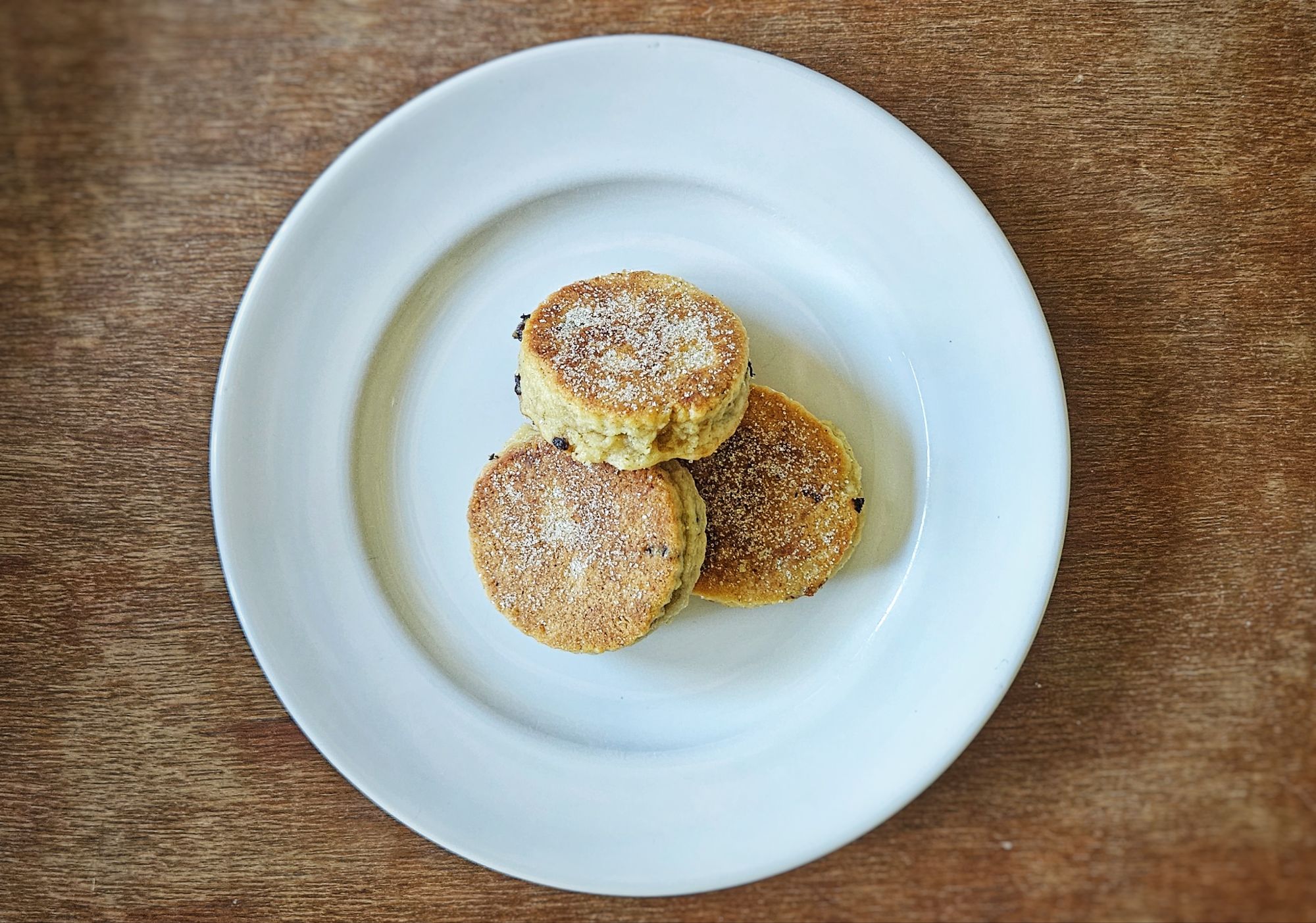
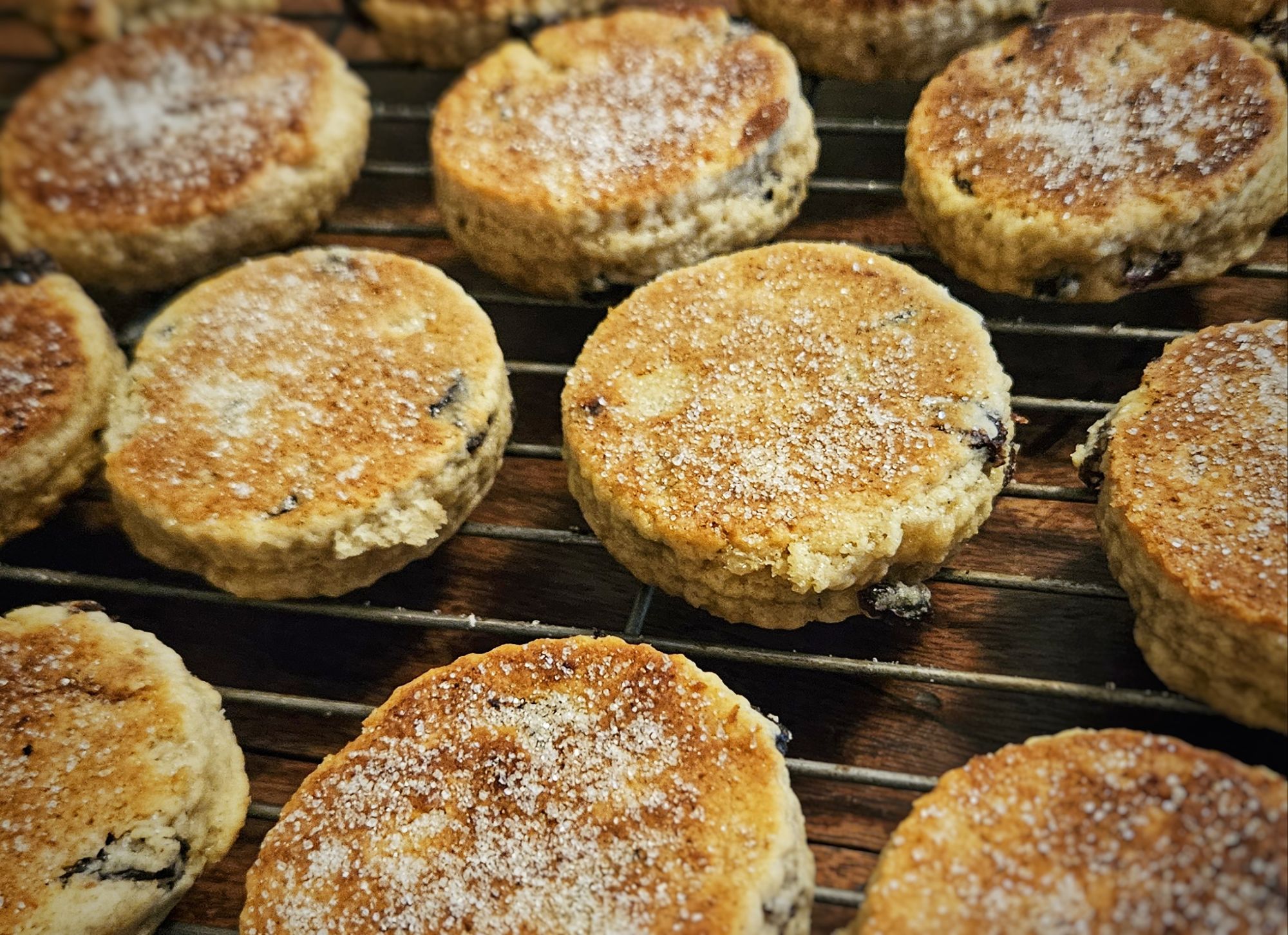
In the most recent episode of The British Food History Podcast, Griddle & Bakestone Cookery with Peter Gilchrist & Ross Clarke, we talked about several culturally important bakestone bakes. One of these was, of course, the iconic Welsh cake or pice ar y maen, which translates literally as ‘cakes off the stone’ (or I think it does; please do correct me, Welsh speakers). Ross said they were called bakestones where he grew up, but they also go by other names: round cakes, tishan ar y maen and tishenlechwan.[1]
Stream the episode via this Spotify embed, or search for The British Food History Podcast on your favourite podcast app.
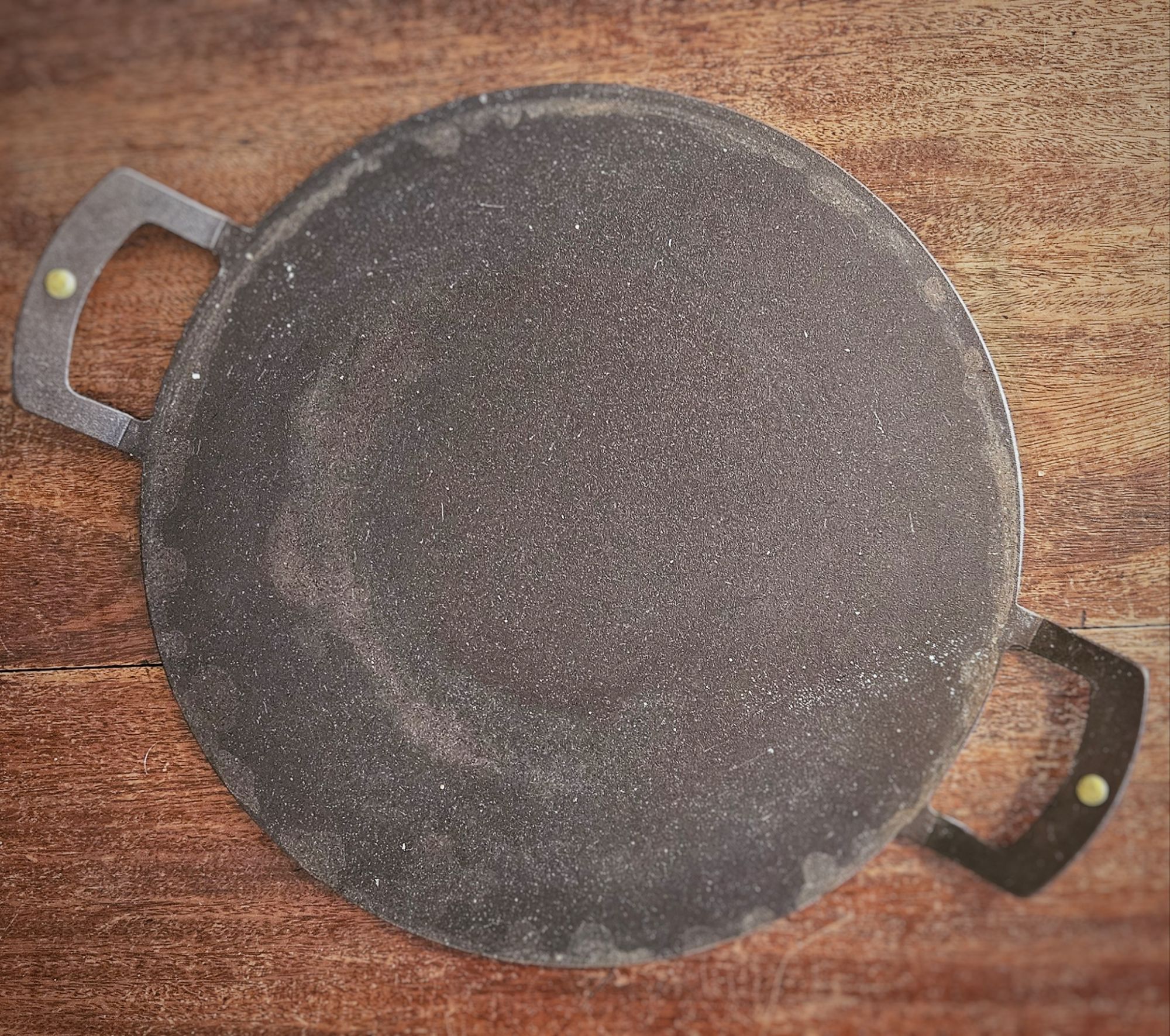
You need a griddle or bakestone to make Welsh cakes. I used my 12-inch Netherton Foundry griddle, which has a good thick base. Netherton Foundry are very kindly sponsoring the 10th season of The British Food History Podcast. Please check out their website to see their range.
My trusty Netherton Foundry bakestone/griddle
According to the Amgueddfa Cymru (Museum of Wales) website, they originated in the second half of the 19th century in Glamorgan, South Wales.[2] We have to remember that white wheat flour would have been less available to folk before then; as in most parts of Britain, oats were the cereal most commonly eaten.
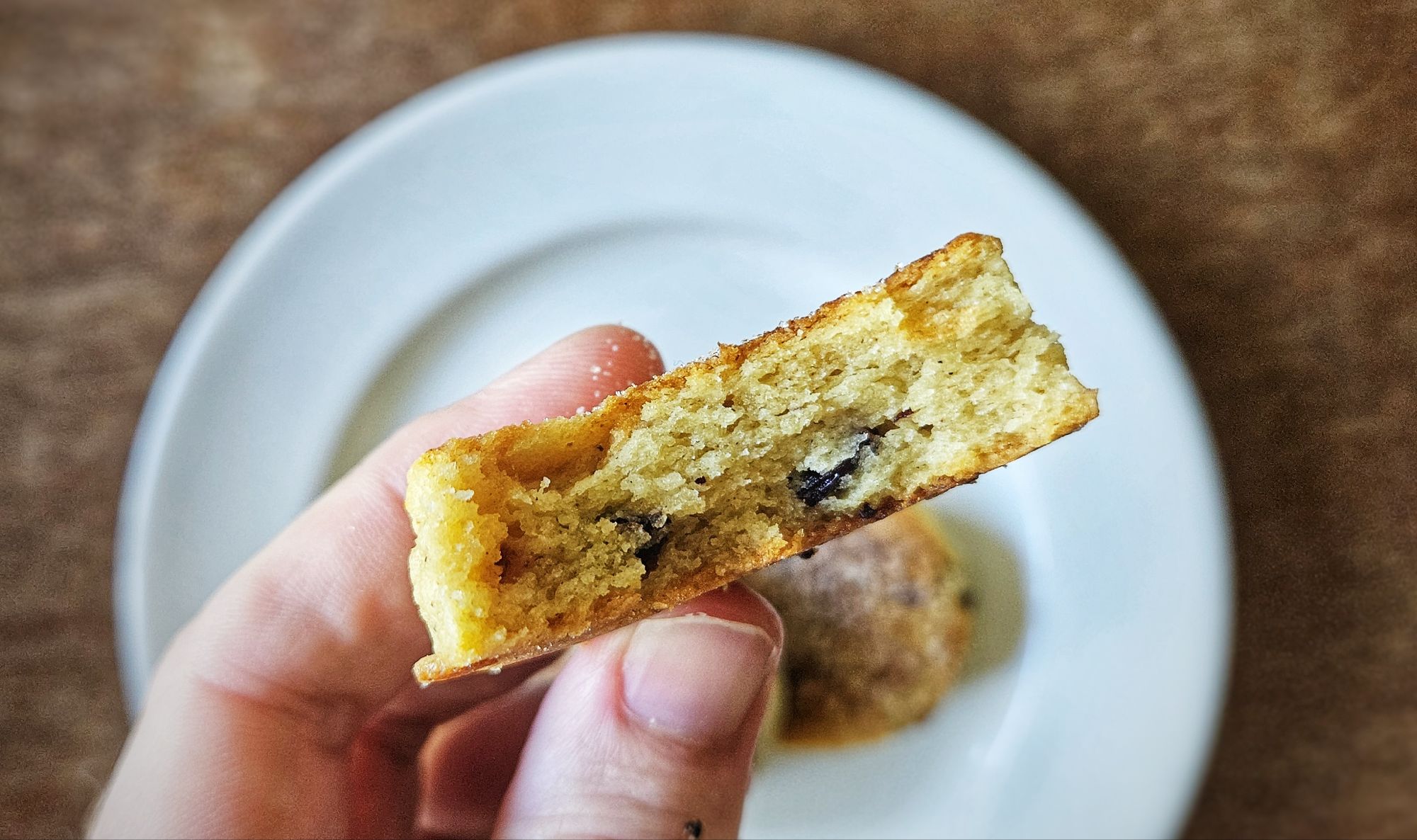
These little round cakes sit somewhere between rich pastry and scone, and they are, as Jane Grigson wrote, ‘the most delicious of all the girdle cakes.’[3] They are like a pastry because you rub your fats into your flour at a proportion of two to one, but they’re like a scone because they have more egg and liquid, and are made lighter with a chemical leavening agent. Bobby Freeman points out that the mixture must have more liquid than a pastry dough ‘to prevent a dry, biscuity result’.[4] They are also very similar to singin’ hinnies, which are from Northumbria. One has to wonder, the two areas being centres of mining, whether there was some cultural cross-pollination going on.
If you can, support the podcast and blogs by becoming a £3 monthly subscriber, and unlock lots of premium content, including bonus blog posts and recipes, access to the easter eggs and the secret podcast, or treat me to a one-off virtual pint or coffee: click here.
Recipe
All recipes are essentially identical in terms of proportions; the only variation is in the spices and fats.
Your usual spices are mixed spice, cinnamon, nutmeg and (less often) mace, but you can leave them unspiced. I went for a 50-50 mix of mace and nutmeg, a delicious combination, and one we don’t see as often as we should.
Just like in pastry-making, you can go all butter (or vegan baking block), or half butter and half lard. I heartily suggest doing the latter because it makes things richer, but has a hint of savouriness, which I think improves the flavour. It also makes a slightly shorter dough that’s more tender and melting when baked compared to an all-butter dough.
The cakes take 8 to 10 minutes to bake on your bakestone/griddle. You need a ‘moderately hot bakestone’ – these are Bobby Freeman’s words, not mine.[5] However, there’s a huge amount of variation between both bakestones and kitchen hobs, so you will have to play about with the temperature to get it right. To give you an idea of what ‘moderately hot’ means, on my induction hob, which has 9 heat settings, I used a temperature of 3.
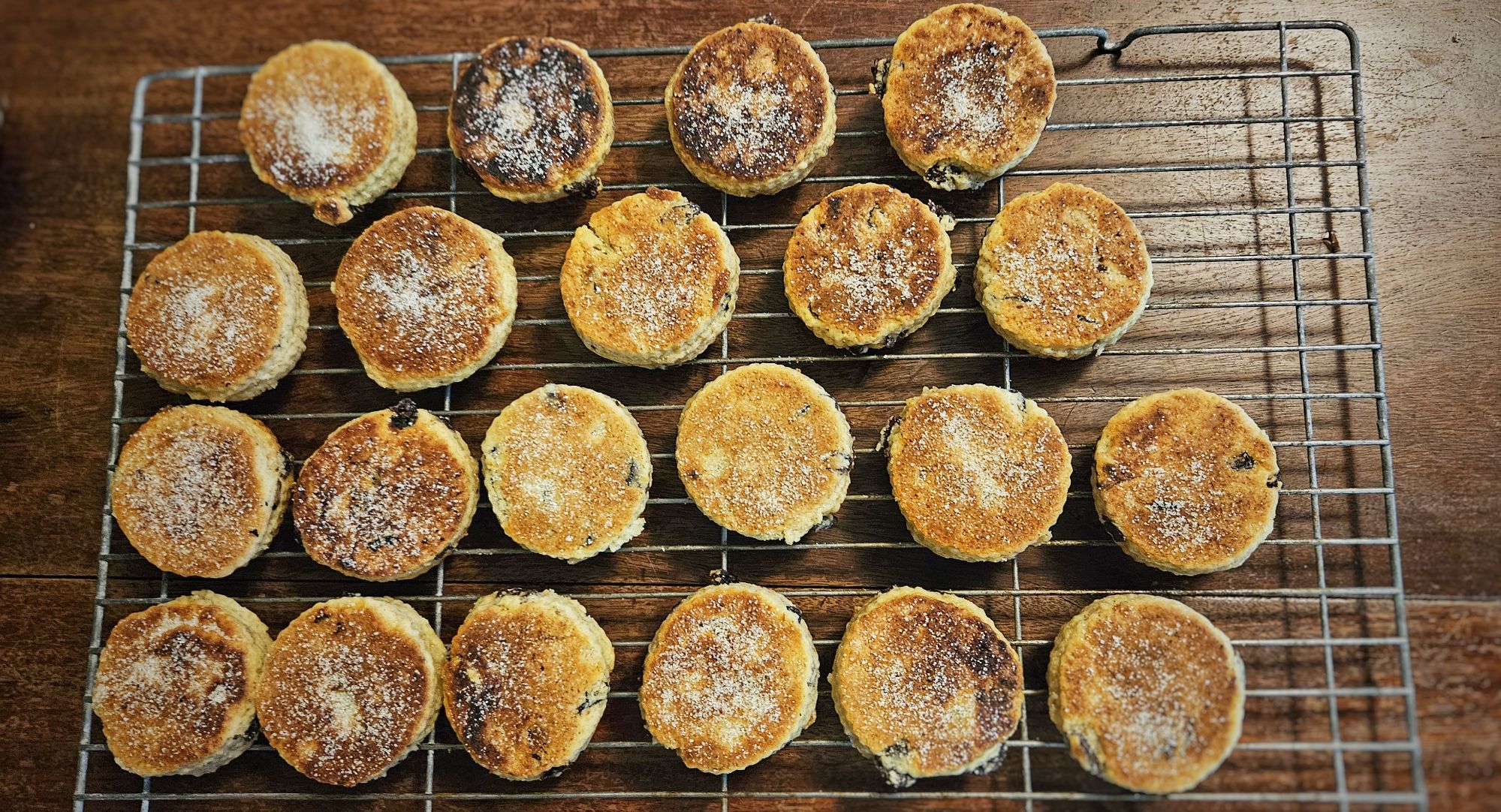
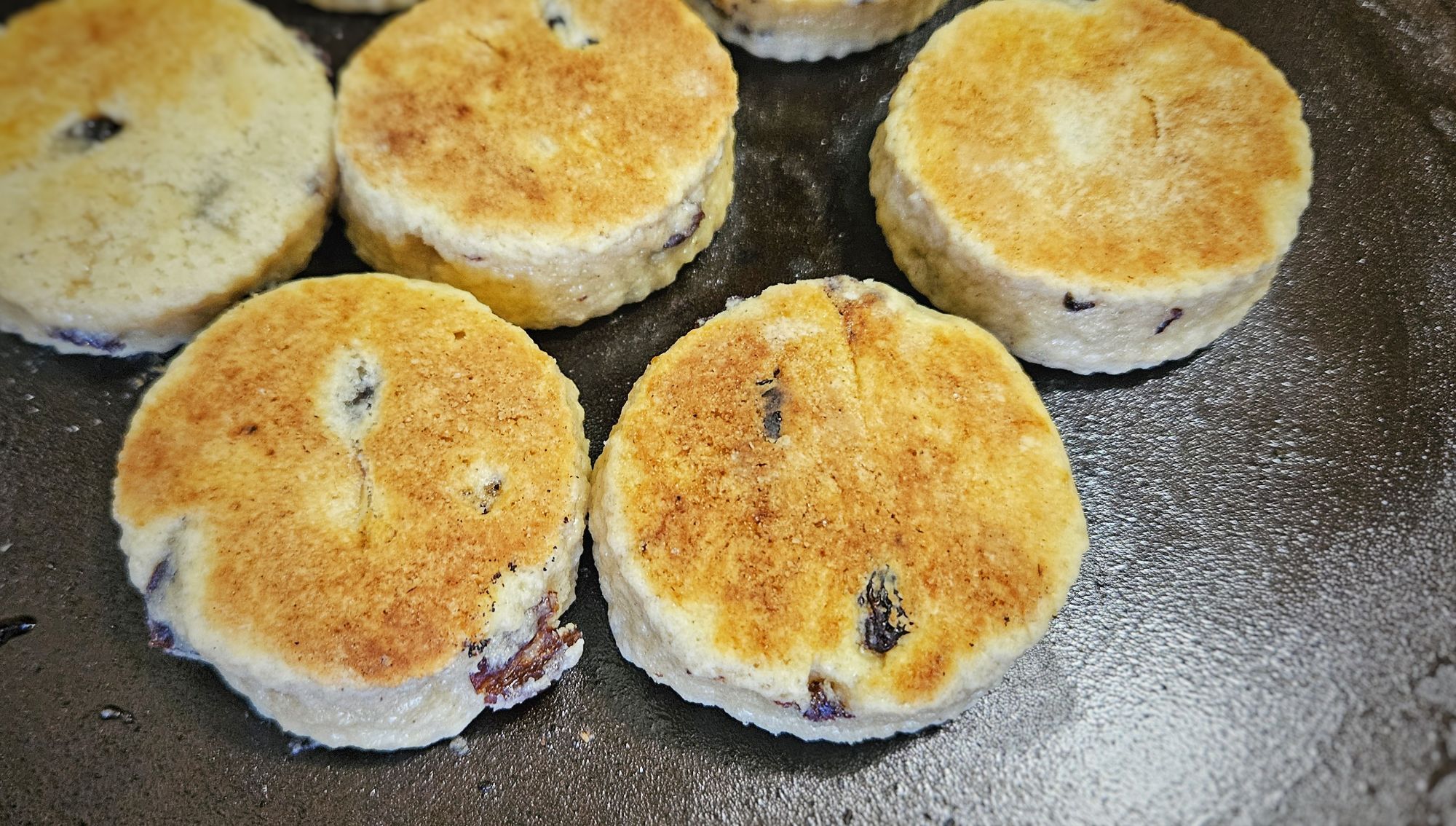
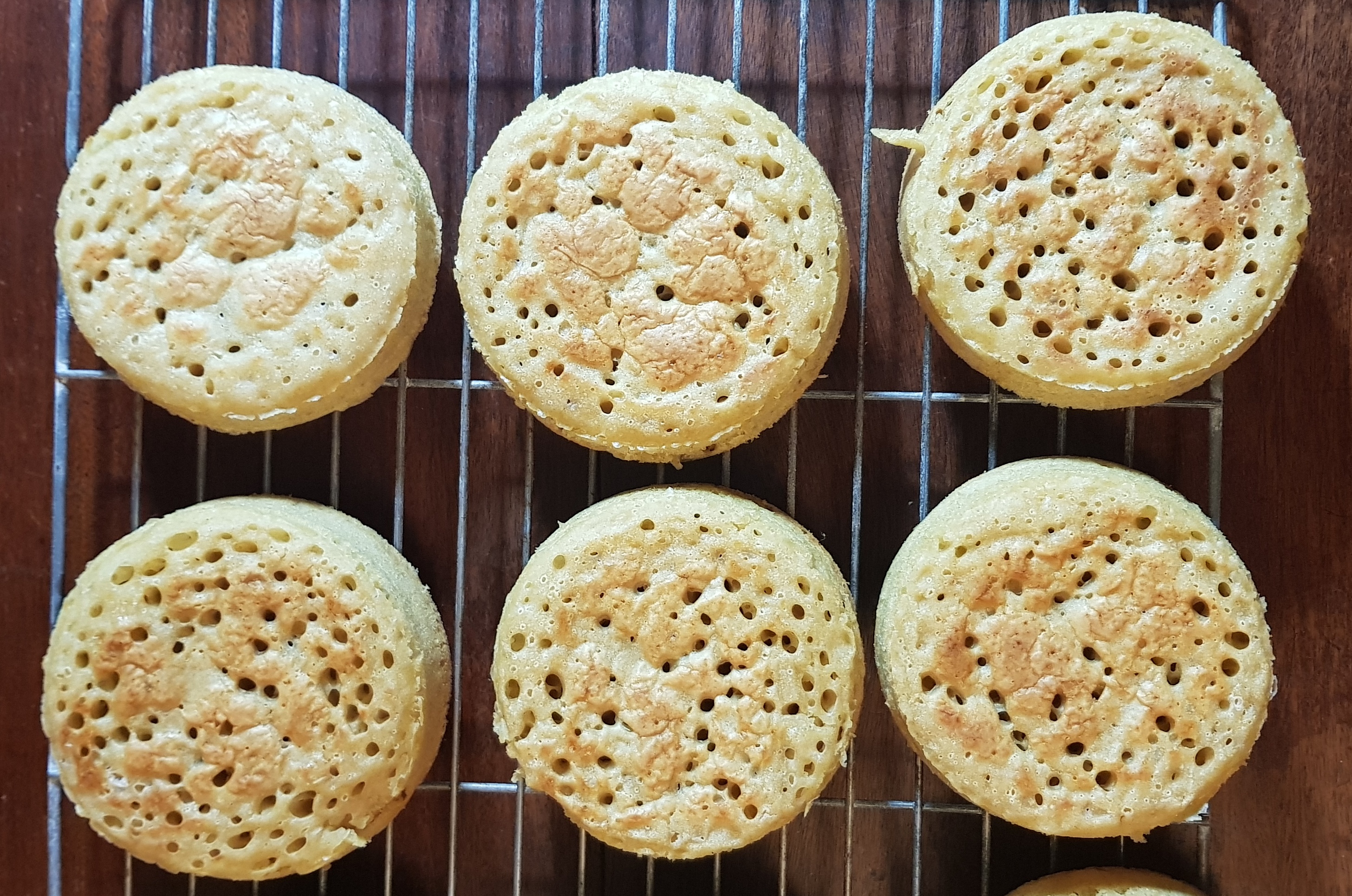
As Ross pointed out in the episode of the podcast, one of the joys of using the bakestone is the variation you get: no two cakes are the same, as you can see by the photo! They’re best eaten warm from the bakestone. The cakes keep very well for 5 or 6 days in an airtight tin.
The mixture makes around 48 cakes.
500 g self-raising flour
1 tsp baking powder
½ tsp salt
1 tsp ground spices: nutmeg, cinnamon, mixed spice or mace
250 g salted butter, or half-and-half butter and lard, diced
150 g caster sugar, plus extra for sprinkling
120 g currants and raisins
2 medium eggs, beaten
5 to 6 tbs milk
Extra lard, butter or cooking oil for frying
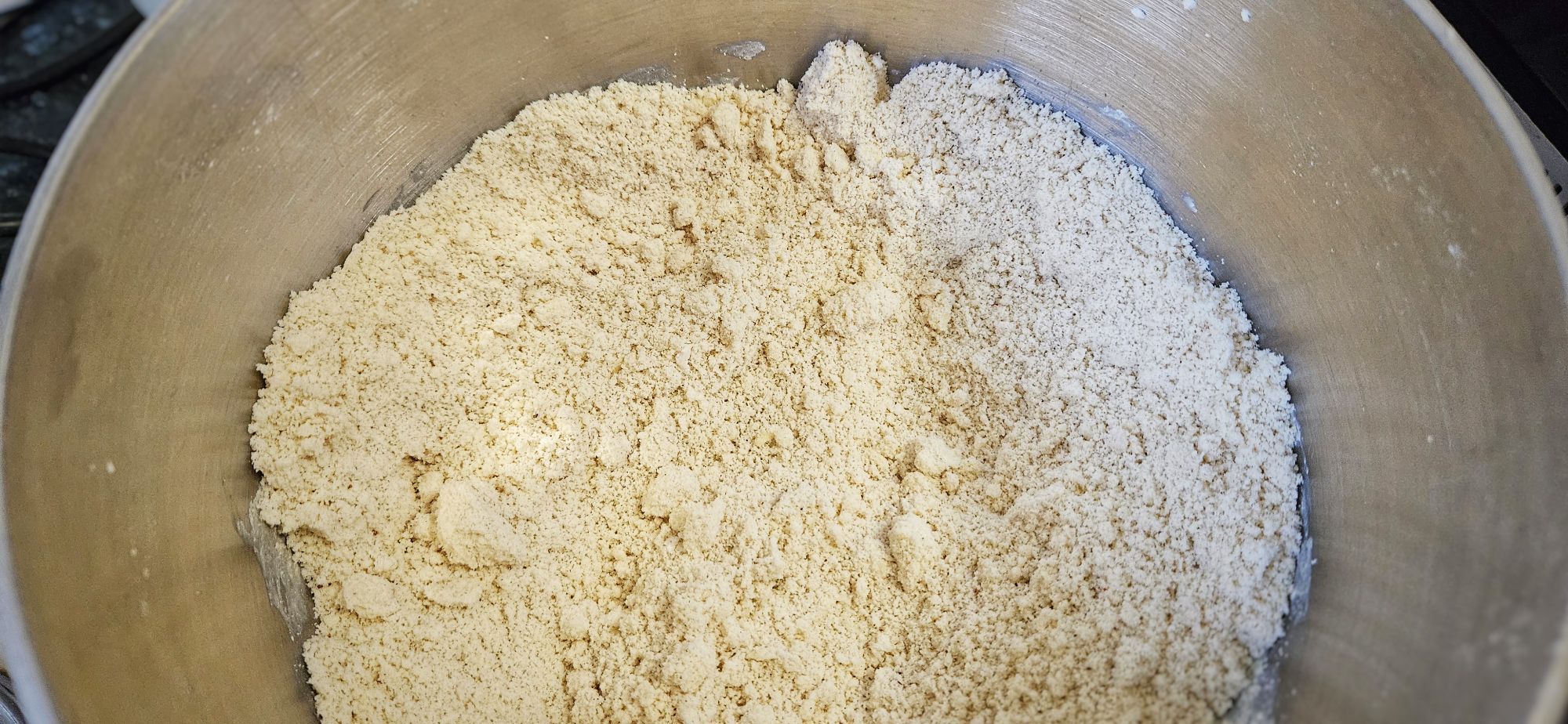
In a bowl, mix the flour, baking powder, salt and spices, and rub in the fat with your fingertips until the mixture resembles breadcrumbs – just like making pastry. You can use the flat beater on your mixer too, but use a slow setting; you don’t want to pulverise the mixture into a paste. Mix in the sugar and dried fruit.
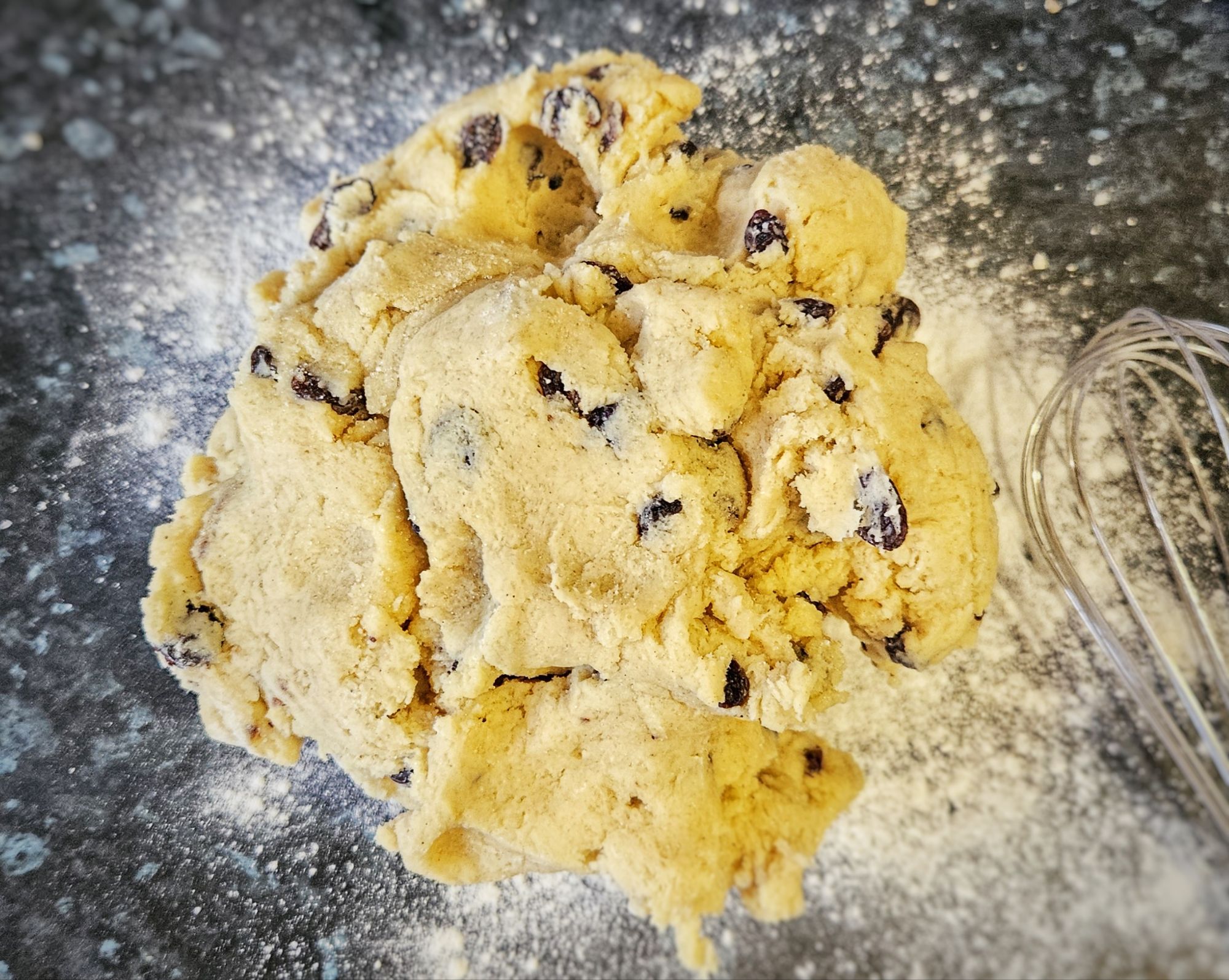
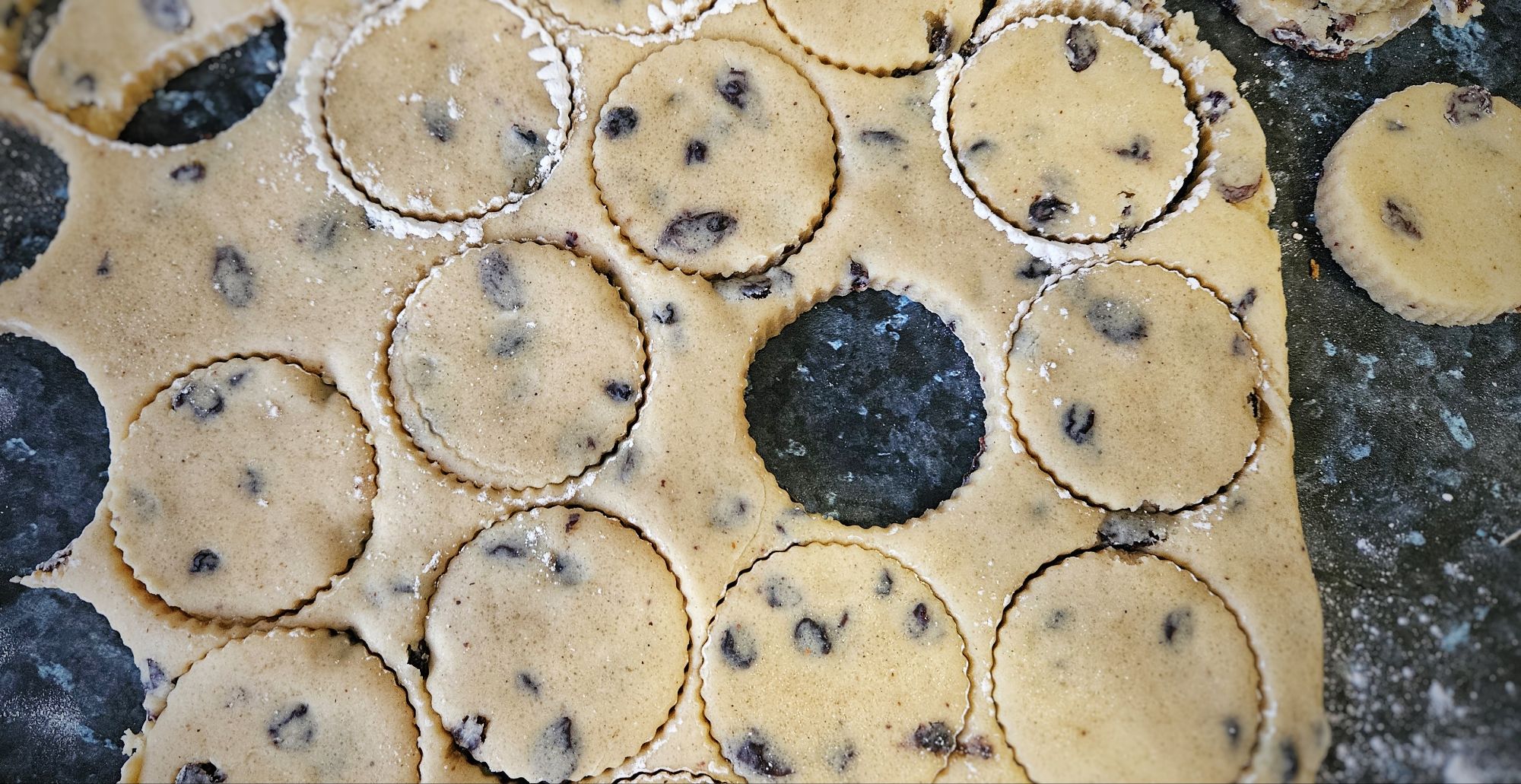
Make a well in the centre and pour in the eggs and 2 tablespoons of the milk. Mix everything together by hand, adding more milk if there are some dry patches, to form a soft dough. Knead briefly on a floured worktop and roll out to a thickness of around 6 mm (or ¼ of an inch in old money). Use a 6 cm cutter to stamp out the cakes. Dip the cutter in flour and dust it off to prevent sticking every 3 cakes or so.
Heat the bakestone to a low-medium setting. Be patient and let it warm up slowly – don’t be tempted to put on a high heat and then turn it down. There disaster lies. Pick your temperature setting and just give it a bit of time to do its thing.
When suitably hot, brush the surface of the bakestone with a little oil or lard. You only need the merest smear, and I find adding the fat and then wiping it around with a dry clean cloth or a piece of kitchen paper does the trick.
Bake the cakes in batches: don’t overcrowd the bakestone and remember that your bakestone will likely be cooler at the edges than the centre. After 3 minutes give them a check, and if they are already looking brown, turn them over and lower the heat a smidge. You’re looking to bake them for 4 to 5 minutes per side until they are a mottled golden brown. You know they are ready when they feel firm, but with a slight softness in the centre.
Place cooked cakes on a rack whilst you attend to the ones that aren’t quite ready yet. Add a sprinkle of caster sugar to the cooling cakes.
When they are all cooked, add a little more fat to the bakestone and bake the next batch.
Today on The British Food History Podcast I am speaking with food historian Peter Gilchrist and food writer Ross Clarke, who specialise in writing about and rediscovering the traditional foods of Scotland and Wales, respectively.
Peter is a returning guest who goes under the name Tenement Kitchen and is the co-host of The Scottish Food History Podcast. Ross is a food and travel writer and author of The Welsh Kitchen on Substack.
Today’s guests: Peter Gilchrist (L) & Ross Clarke (R)
They both use a bakestone or griddle (or whatever you call yours – there are quite a few names for the usually round, usually iron piece of iron we bake our crumpets, drop scones, muffins and Welsh cakes upon) and I thought we should discuss using them and some of the best of British bakestone bakes.
We talk about the place of bakestones and griddles in British food culture, Welsh cakes, bannocks and pikelets, classic writers such as Bobby Freeman and F. Marion McNeill and the applied uses of bacon fat, amongst many other things.
The British Food History Podcast is available to download on all podcast apps; alternatively, you can stream it via this Spotify embed:
Ross’s Welsh cakes on his bakestone
Those listening to the secret podcast get plenty of bonus material where we discuss adapting traditional recipes to keep them relevant, how annoyed I get when classic recipes get messed around with, what we get out of recreating historical recipes and buttermilk – plus more.
Follow Peter on social media: @TenementKitchen on Facebook, Insta, Bluesky, X and TikTok
Follow Ross on Social Media: @theguiri on Insta, @rosswclarke on X and Facebook
Season 10 of the podcast is sponsored by Netherton Foundry, makers of high-quality kitchen and outdoor cookware. Netherton Foundry ships to several countries outside of the UK, including the USA and Canada. Visit www.netherton-foundry.co.uk to find out more about their wonderful products – approved not just by me but by folk such as Tom Parker-Bowles, Diana Henry and Nigella Lawson.
If you can, support the podcast and blogs by becoming a £3 monthly subscriber, and unlock lots of premium content, including bonus blog posts and recipes, access to the easter eggs and the secret podcast, or treat me to a one-off virtual pint or coffee:click here.
Don’t forget, there will be postbag episodes in the future, so if you have any questions or queries about today’s episode, or indeed any episode, or have a question about the history of British food please email me at neil@britishfoodhistory.com, or leave a comment here.
Happy 4th of July to my listeners in the USA…and all of those around the world who also celebrate the day!
It’s a big one because the US is celebrating 250 years of independence this year. And to mark this special day, I have a special guest, Professor Nancy Siegel, and we are going to talk about the roles food and drink – especially tea and cake – played.
Nancy Siegal is Professor of Art History and Culinary History at Towson University, Maryland. She specialises in American landscape studies, underrepresented women artists of the 19th century, print culture, and culinary history of the 18th and 19th centuries. Lucky for me, Nancy was in London, visiting the British Library at the same time I was in London, so we got to record this conversation in person in the breakfast room of Nancy’s hotel, the Harlingford Hotel – a big thank you to them.
Nancy’s book is out in October in the USA and in December in the UK
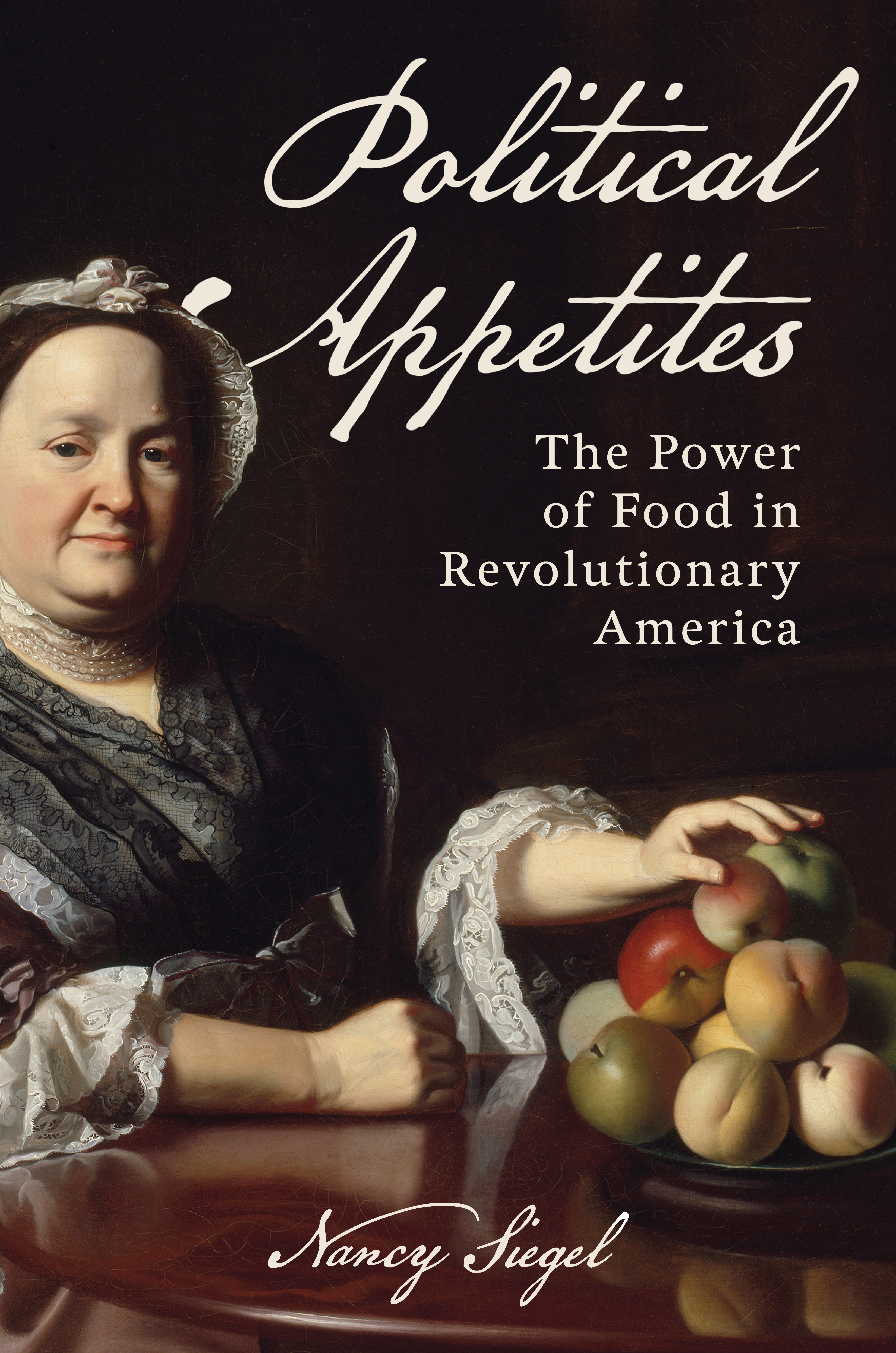
Nancy has an excellent book that isn’t out until the autumn, but I was lucky enough to get a sneak peek at it, called Political Appetites: The Power of Food in Revolutionary America, published by Johns Hopkins University Press. In that book, Nancy documents the roles food and drinks, especially tea (and its trappings) played in the colonists of North America wanting to sever their ties with Britain, and how food was used to help distance themselves culturally from the British – at first the colonists very much identified as British.
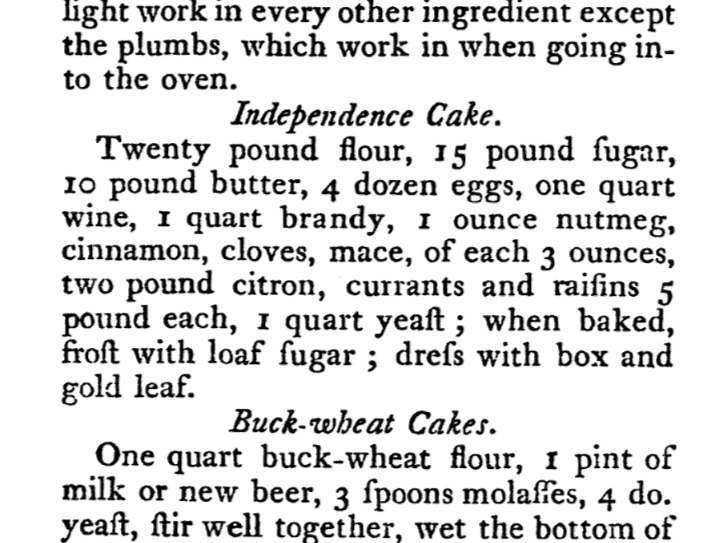
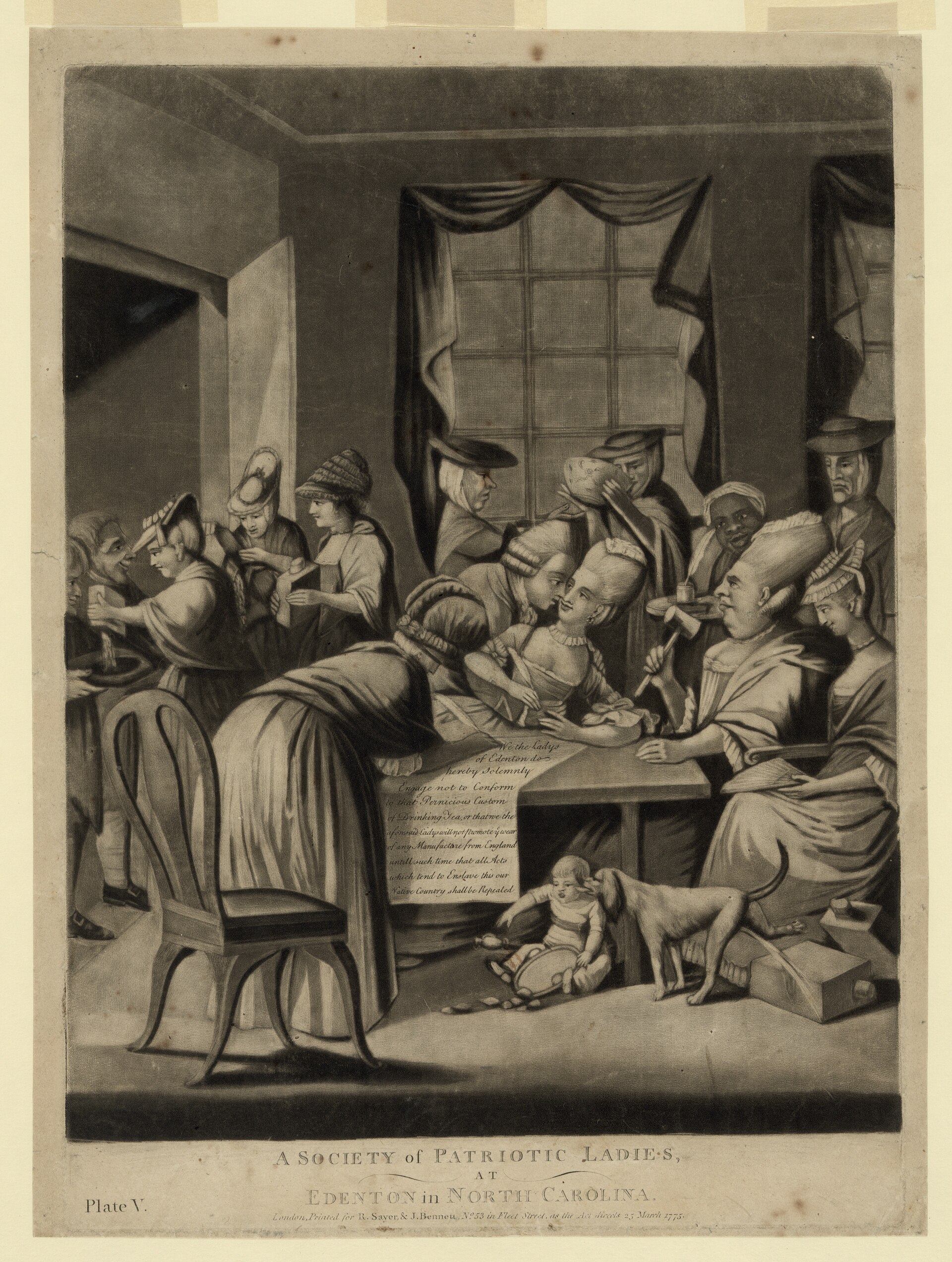
We talk about the tax on tea and the Boston Tea Party, tea alternatives, culinary activists such as the women of Edenton, giant independence cakes, Amelia Simmons, and how the people of the new USA used food and drink to culturally distance themselves from the British – amongst many other things.
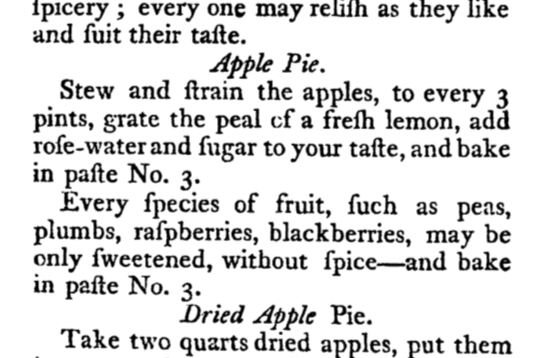
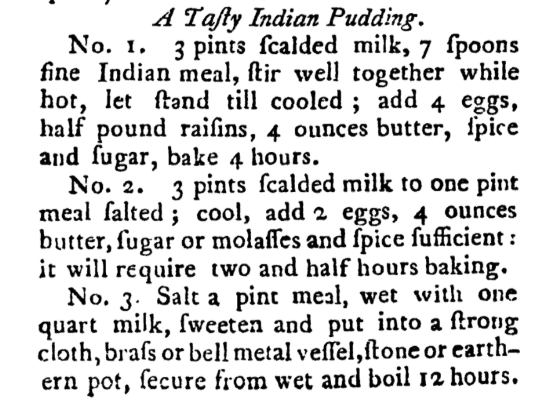
Three recipes from American Cookery by Amelia Simmons (1796): A huge Independence Cake, the first (?) American Apple Pie and an “Indian” Pudding. All three of these recipes helped culturally distance the newly independent USA from Britain.
Those listening to the secret podcast get LOADS of bonus material where we discuss George III’s botanist, pride in abundance, the value of hunting out original documents, baking fails, the all-American apple pie, and the function of satire – plus more.
The British Food History Podcast is available to download on all podcast apps. Alternatively, you can stream the episode via this Spotify embed:
“A Society of Patriotic Ladies, at Edenton in North Carolina” (1775) attributed to engraver and political satirist Phillip Dawe.
Season 10 of the podcast is sponsored by Netherton Foundry, makers of high-quality kitchen and outdoor cookware. Netherton Foundry ships to several countries outside of the UK, including the USA and Canada. Visit www.netherton-foundry.co.uk to find out more about their wonderful products – approved not just by me but by folk such as Tom Parker-Bowles, Diana Henry and Nigella Lawson.
The mixing and sound engineering were done by Thomas Ntinas of The Delicious Legacy podcast
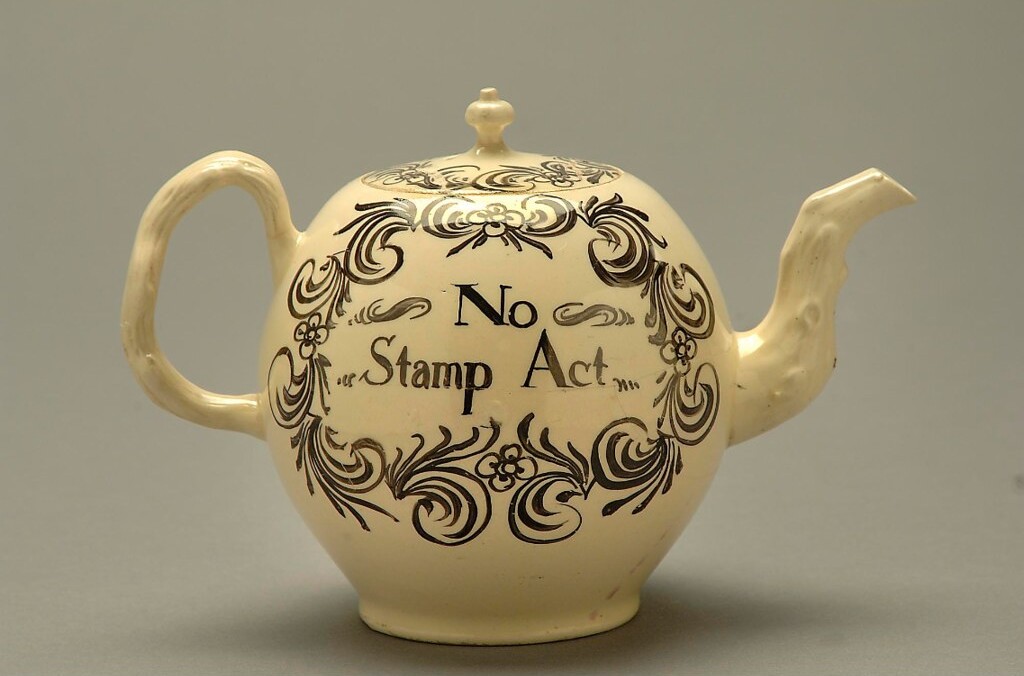
This “No Stamp Act” teapot was made in Staffordshire c.1768
If you can, support the podcast and blogs by becoming a £3 monthly subscriber, and unlock lots of premium content, including bonus blog posts and recipes, access to the easter eggs and the secret podcast, or treat me to a one-off virtual pint or coffee: click here.
Don’t forget, there will be postbag episodes in the future, so if you have any questions or queries about today’s episode, or indeed any episode, or have a question about the history of British food please email me at neil@britishfoodhistory.com, or leave a comment.
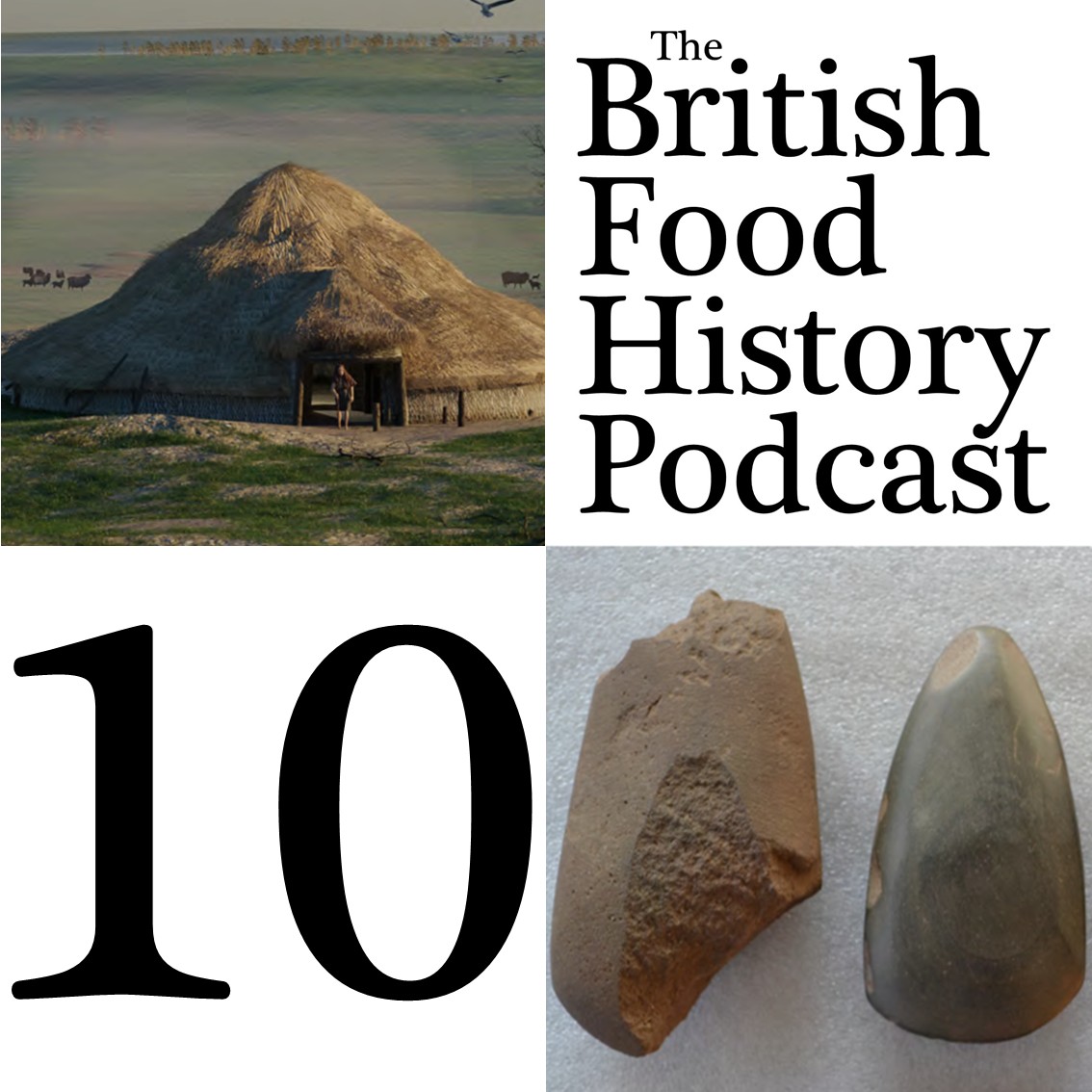
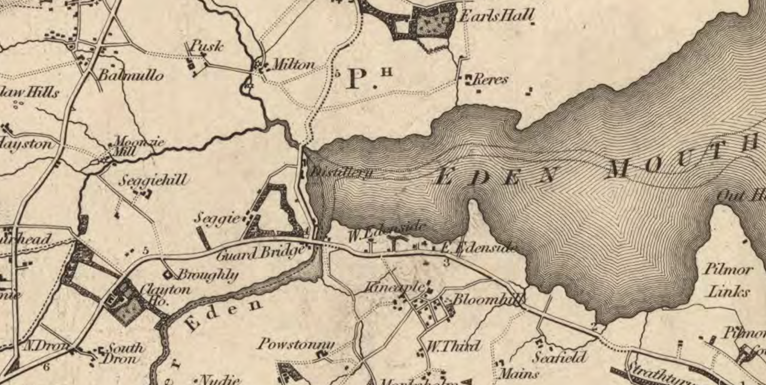
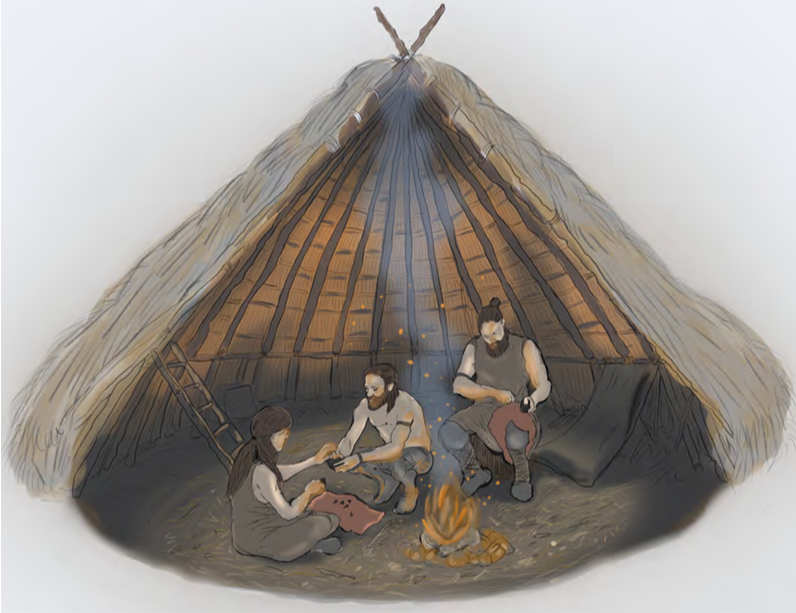
Today I am speaking with Maureen Kilpatrick of Guard Archaeology, a Scottish archaeology firm that has dug sites all over Scotland, but today we are focusing on one site called Guardbridge, in Fife, where the timespan the finds ranged from is astounding: from the Stone Age to the 13th century. Several finds were food-related.
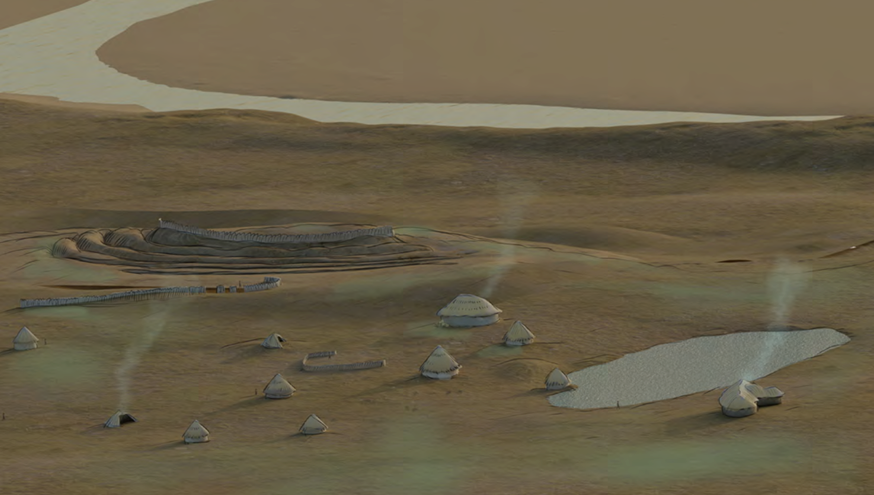
The site is amazing – there’s an Iron Age fort, there are field demarcations, evidence of food and how it was processed and cooked, as well as lots of evidence of the community moving from a nomadic hunter-gatherer lifestyle to a settled farming one.
Left: An artist’s impressing of the Bronze Age settlement (Guard Archaeology); Right: detail of an 1828 map of the area showing the location of Guardbridge
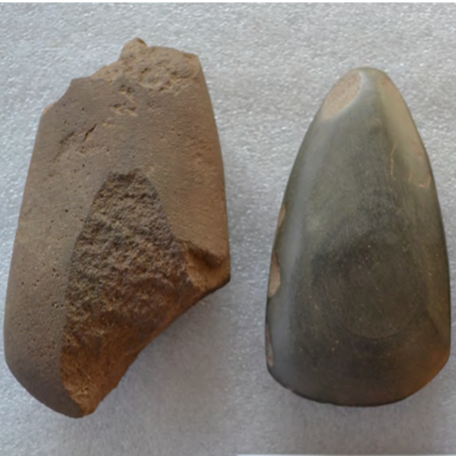
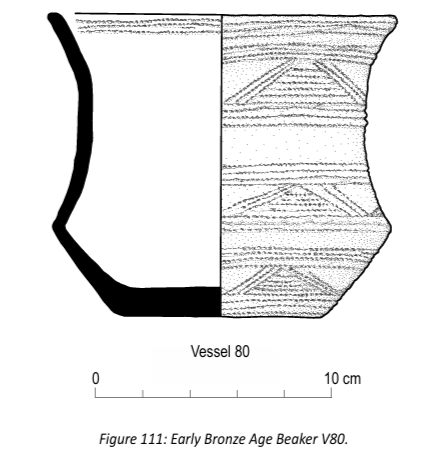
We talk about the material objects found on site, such as saddle querns, axes and ploughing tools, food remains like emmer wheat, barley, cockles and the indestructible hazelnut, non-slip pottery and the surprisingly late appearance of oats, amongst many other things.
The British Food History Podcast is available on all podcast apps. Alternatively, you can stream it via this Spotify embed:
Those listening to the secret podcast get some bonus material where we discuss whether modern agriculture with its mechanised ploughs is a help or a hindrance to archaeologists these days.
Follow Guard Archaeology in X/Twitter @GUARD_Archaeol
L-R: polished mesolithic axe heads; a mesolithic dwelling; a drawing of one of the excavated Bronze Age beakers (images: Guard Archaeology)
Season 10 of the podcast is sponsored by Netherton Foundry, makers of high-quality kitchen and outdoor cookware. Netherton Foundry ships to several countries outside of the UK, including the USA and Canada. Visit www.netherton-foundry.co.uk to find out more about their wonderful products – approved not just by me but by folk such as Tom Parker-Bowles, Diana Henry and Nigella Lawson.
The mixing and sound engineering were done by Thomas Ntinas of The Delicious Legacy podcast
If you can, support the podcast and blogs by becoming a £3 monthly subscriber, and unlock lots of premium content, including bonus blog posts and recipes, access to the easter eggs and the secret podcast, or treat me to a one-off virtual pint or coffee: click here.
Don’t forget, there will be postbag episodes in the future, so if you have any questions or queries about today’s episode, or indeed any episode, or have a question about the history of British food please email me at neil@britishfoodhistory.com, or leave a comment.